
Frugal Ways to Use Liquids From Canned Foods
This post may contain affiliate links. Read our disclosure policy.

Want to make sure that nothing in your kitchen goes to waste? Here are some ways to use the liquids from canned foods!

In all honesty, most of us cooks just pour the brine or water from canned foods down the drain. You probably don’t even think too much about it!
But this liquid is more than just a preservative or a way to keep the canned foods good; it contains dissolved proteins, starches, minerals, and fruit sugars from the food itself.
We paid for those canned foods (or canned them ourselves!), so we should want to save money and flavor by reusing these liquids.
Note: While canned liquids are generally safe to consume because they come from the cooking process, they may contain a lot of salt or sugar. Always taste and adjust the seasoning in your recipes as needed.
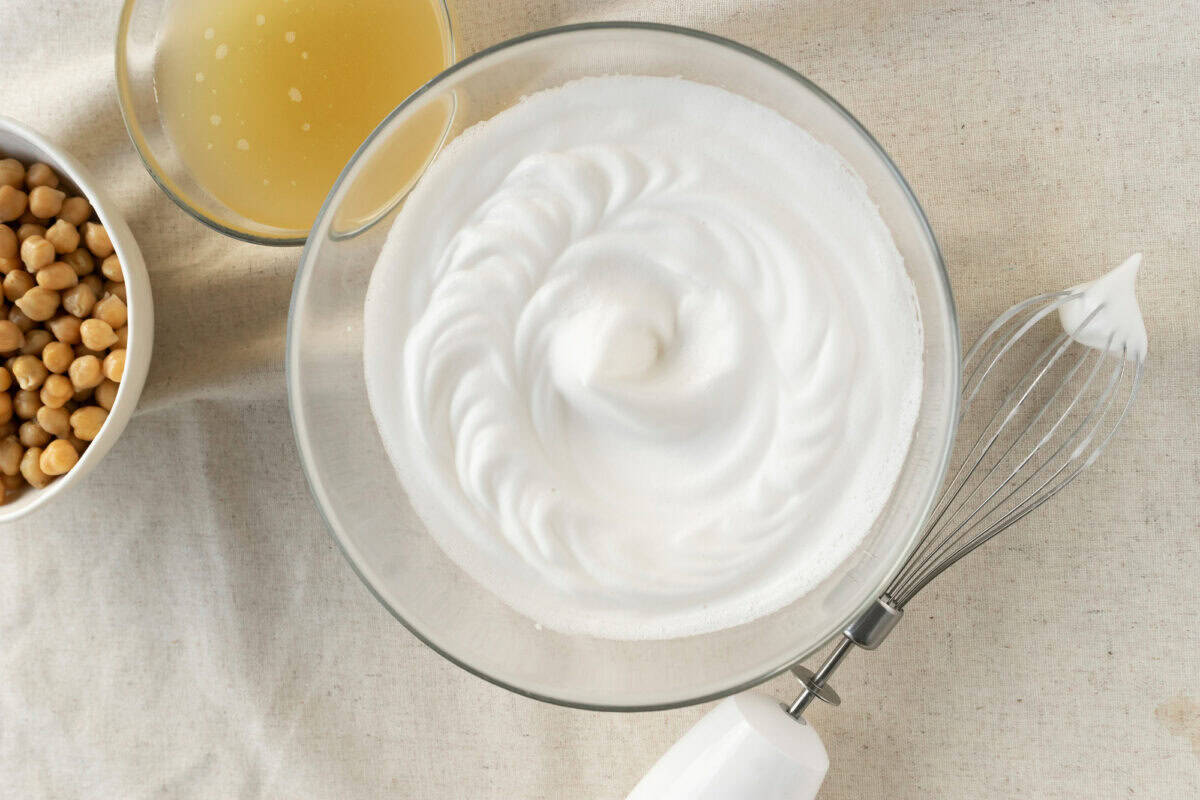
Chickpea and Bean Liquid (Aquafaba)
Did you know that the liquid in canned chickpeas could be whipped into a meringue‑like foam? This liquid, known as aquafaba (Latin for “water” and “bean”), contains proteins and sugars similar to egg whites. Here are some ways you can use this liquid gold after you make a batch of hummus or roasted chickpeas.
- Natural thickener – During the canning process, beans release starches and proteins into the water; the starches swell when heated and the proteins act as emulsifiers. This makes bean liquid a natural thickener for soups, stews and sauces.
- Egg‑white replacement – Aquafaba can be used instead of egg whites in baking. 3 tablespoons of chickpea liquid replace one whole egg, and 2 tablespoons replace an egg white. It works for meringue cookies, macarons, buttercream frosting, chocolate mousse, and marshmallows.
- Vegan mayo & other condiments – Because aquafaba emulsifies oils, it can be blended with oil, lemon juice and mustard to make vegan mayonnaise.
- Desserts and popsicles – Whip aquafaba with cream of tartar and fold in coconut milk, sugar and vanilla to create vegan marshmallow‑style popsicles.
- Storage – You can strain the liquid into a jar and store it in the refrigerator for about a week; it can also be frozen in ice cube trays and added to stews as needed.

Canned Tomato Liquid
Another highly usable liquid from your canned foods is the liquid in a can of tomatoes. Instead of pouring this down the drain when you added those diced tomatoes into Corn and Bean Salsa, here’s what you can do with it.
- Tomato water is a flavor boost – The liquid in good canned tomatoes is essentially lightly salty tomato juice. It can be reserved and used to thin sauces, soups, or stews that would benefit from extra tomato flavor.
- Control salt and consistency – Drain the tomatoes and add the liquid back gradually so you can control the saltiness and thickness of the dish.
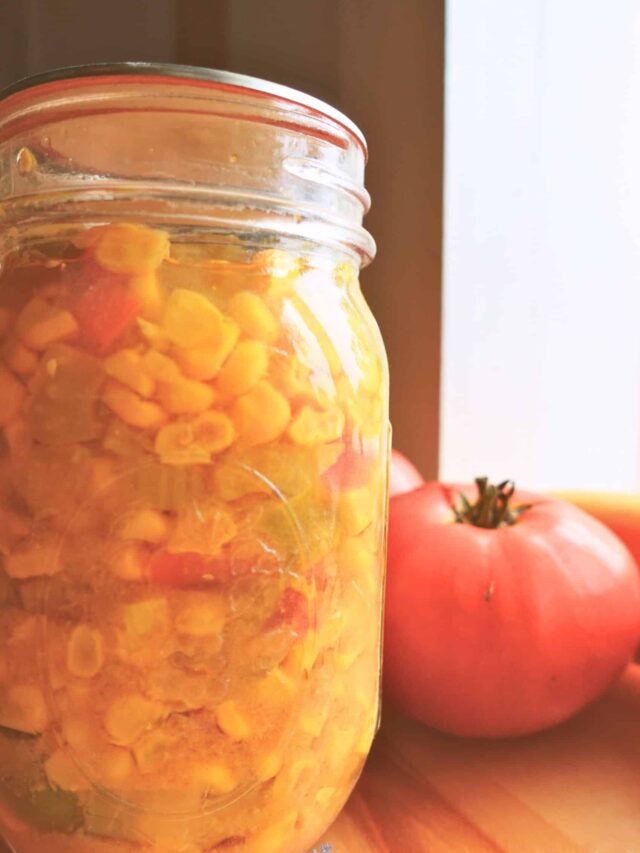
Corn Water and Other Vegetable Liquids
- Corn water = vegetable stock – When you boil fresh corn on the cob or open canned corn, save the corn water. You can use this water like you would use vegetable stock.
- Uses for corn water:
- Cook pasta – Keep the water boiling, salt it and cook noodles in it; the extra starch helps sauces cling better.
- Risotto base – Strain the water and use it instead of stock in risotto, where the starch boosts creaminess.
- Soup and stew base – Use corn water in corn chowder, leek and potato soup, chili, stews, sauces and curries.
- Feed plants – Leftover corn water can be cooled and used to water houseplants, providing a mild fertilizer boost.
- Other canned vegetable liquids – Liquids from low‑sodium canned vegetables (green beans, peas, hominy) can add flavor to soups and gravies. Always adjust salt and be cautious with high‑sodium brines.
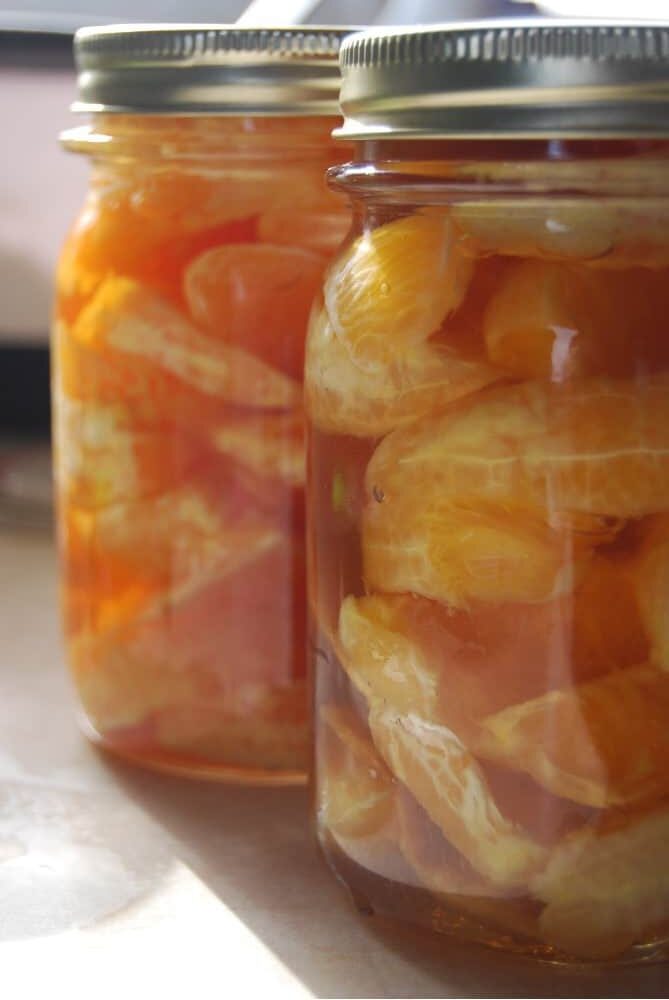
Syrup or Juice From Canned Fruits
- Don’t toss the sweet juice – Most canned fruits come packed in juice or syrup, and there are many ways to use that sweet liquid. Even if you home-canned your fruits, you still likely put that in some kind of syrup or juice (I use white grape juice!).
- Marinades – Pineapple juice is rich in enzymes; it tenderizes tougher cuts of meat and adds sweetness to marinades.
- Smoothies – Leftover fruit juice adds a flavor bump and natural sweetness to morning smoothies. Canned fruit packed in its own juice is just as nutritious as fresh fruit.
- Fruit‑infused ice cubes – Pour leftover juice into an ice cube tray and freeze it. These cubes keep drinks cold without watering them down and add flavor to iced tea or lemonade.
- Vinaigrettes – Replace some of the acid in homemade vinaigrettes with fruit juice to create a fruity salad dressing.
- Oatmeal & breakfast – Stir fruit juice into oatmeal while it cooks to infuse flavor throughout the porridge.
- Popsicles and frozen treats – Use leftover juice to make popsicles or frozen desserts. Combine juice with fruit, milk or yogurt for a refreshing summer treat.
- Ice cream topping – Drizzle the syrup over ice cream or pancakes to add a sweet finishing touch.
- Muffins – I’ve also added juices into muffins in place of milk for a special flavor boost.

Olive Brine and Pickling Liquids
- Flavor powerhouse – When a dish needs a salty punch, olive or pickle brine is perfect.
- Marinades – Add a splash of brine to marinades for pork or chicken. The salt and acidity help tenderize and infuse meat.
- Vinaigrettes – Olive or pickle brine can stand in for vinegar in salad dressings. It pairs well with fats like cured meats, avocado and nuts.
- Pan sauces and braises – Use olive or pickle brine to deglaze a pan or add it to braising liquid for lamb, beef, or root vegetables.
- Soups & sauces – A splash of brine adds brightness to soups and sauces; because it is salty, reduce other salt in the recipe.
- Natural weed killer – You can also mix olive or pickle brine with dish soap to create a natural weed killer. (It is vinegar after all!)
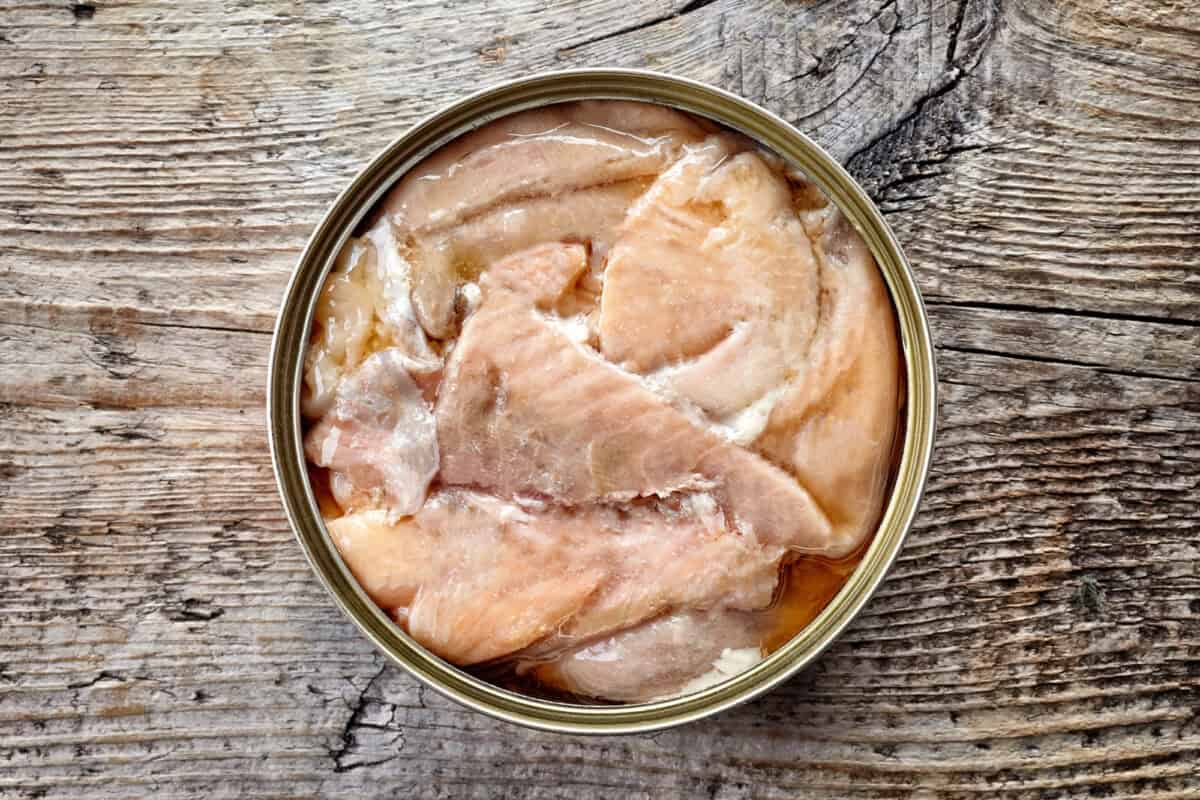
Liquid From Canned Fish (Tuna or Salmon)
- Savory stock – While not as versatile as bean or vegetable liquids, the water or oil from tuna or salmon cans contains concentrated fish flavor. You can use tuna water to boost flavor in savory dishes or to moisten pet food.
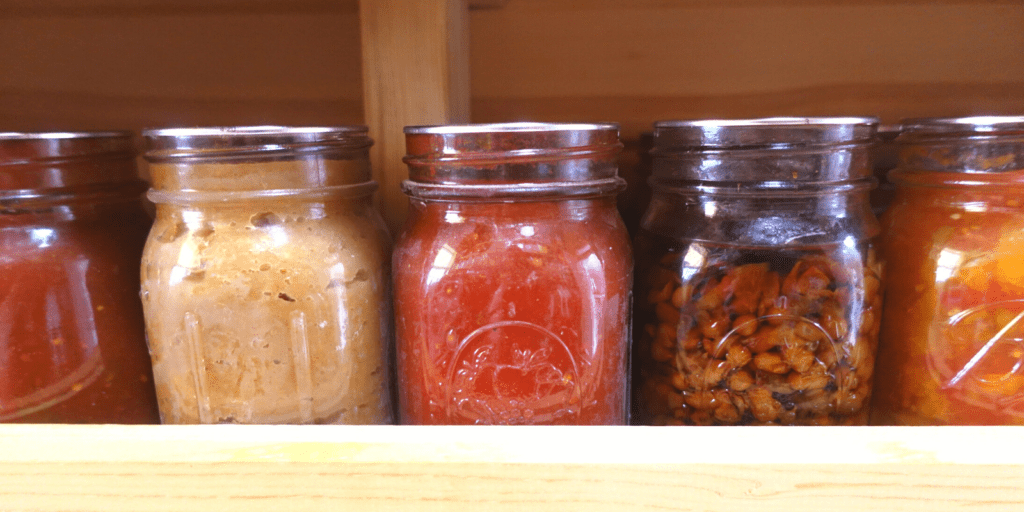
Tips for Using Canned Liquids
- Taste and adjust – Because canned liquids may be salty or sweet, add them gradually and taste the dish as you go.
- Storage – Strain and store leftover liquid in an airtight container in the refrigerator for up to a week, or freeze in ice cube trays for longer storage.
- Choose low‑sodium cans – For aquafaba and soups, look for salt‑free or low‑sodium cans so that the liquid can be used without overwhelming your dish.
- Avoid using spoiled cans – Never use liquid from cans that are bulging, rusted or past their expiration date.
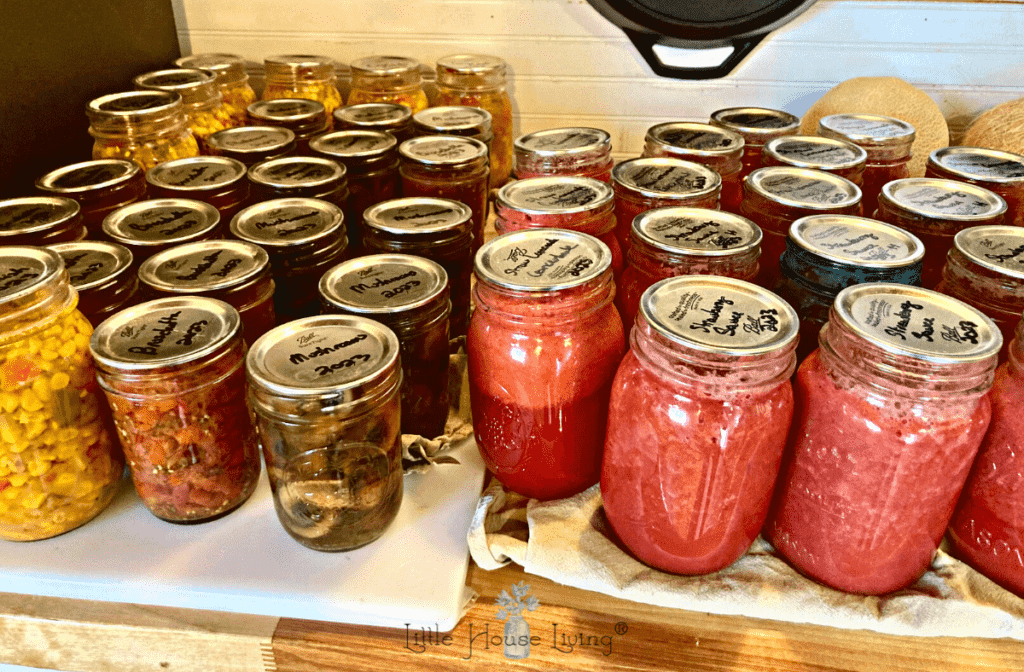
There are so many different ways to use the liquid from canned goods, both store bought and homemade! You put money (or time!) into that resource so it only makes sense to use all of it instead of tossing it down the drain.
I hope that this article gives you inspiration to keep utilizing all the things in your kitchen and helps you to shave even a little bit off your food bill!

Merissa Alink
Merissa has been blogging about and living the simple and frugal life on Little House Living since 2009 and has internationally published 2 books on the topic. You can read about Merissa’s journey from penniless to freedom on the About Page. You can send her a message any time from the Contact Page.
Thank you so much for these great ideas. You have given me a lot of great ideas. I always save my pineapple juice, but then never drink it or use it and end up throwing it away. I think I am going to make my chicken salad tonight, where I use pineapple in it, and will save the juice for rehydrating my freeze-dried pork chops for tomorrow night. I am going to try and start using the liquids from the cans more often now.
Sounds delicious and creative!
love the uses these, it reminds me about my nan, never throwing anything out.