
Traditional Foods Families Are Making at Home Again
This post may contain affiliate links. Read our disclosure policy.
For a long time, fermentation has felt like one of those old skills that quietly slipped out of everyday life.
Somewhere along the way, it became framed as complicated, risky, or only for people deeply invested in food trends. Today, the word “fermentation” often brings to mind special equipment, strict rules, and intimidating instructions.
But for most of history, fermentation wasn’t a hobby or a wellness experiment. It was simply how families made food last.
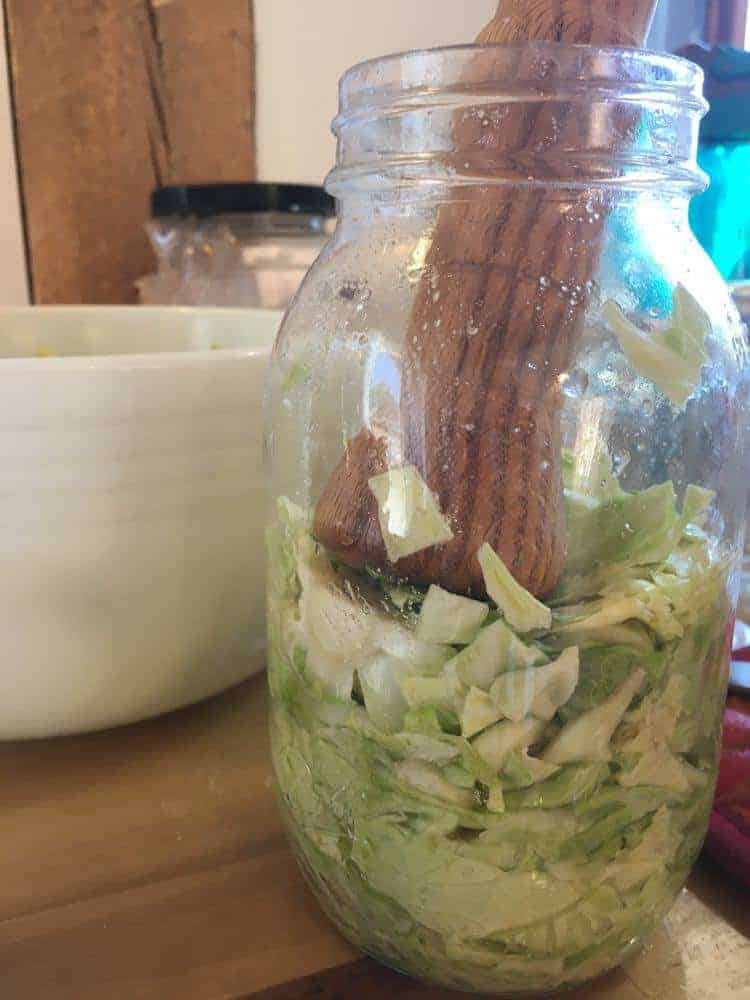
Why Fermentation Feels Intimidating Now
Modern food culture tends to treat fermentation as something technical. Recipes are full of precise measurements, unfamiliar terms, and warnings that can make the process feel fragile or unsafe.
That’s a sharp contrast to how these foods were traditionally made.
For generations, fermentation happened quietly in kitchens, cellars, and pantries. There were no thermometers or starter kits—just salt, time, and observation. Families relied on smell, taste, and common sense rather than strict instructions.
The skill was passed down informally, not written in manuals.
How Traditional Fermentation Actually Worked
Traditional fermentation was practical, flexible, and forgiving.
Vegetables were salted to preserve the harvest. Milk was cultured so it wouldn’t spoil. Dough was left to rise slowly because commercial yeast didn’t exist.
No one called these foods “fermented.” They were simply food.
Fermentation allowed families to stretch ingredients, avoid waste, and create nourishing staples using what they already had. It was a quiet form of kitchen wisdom that fit naturally into daily life.
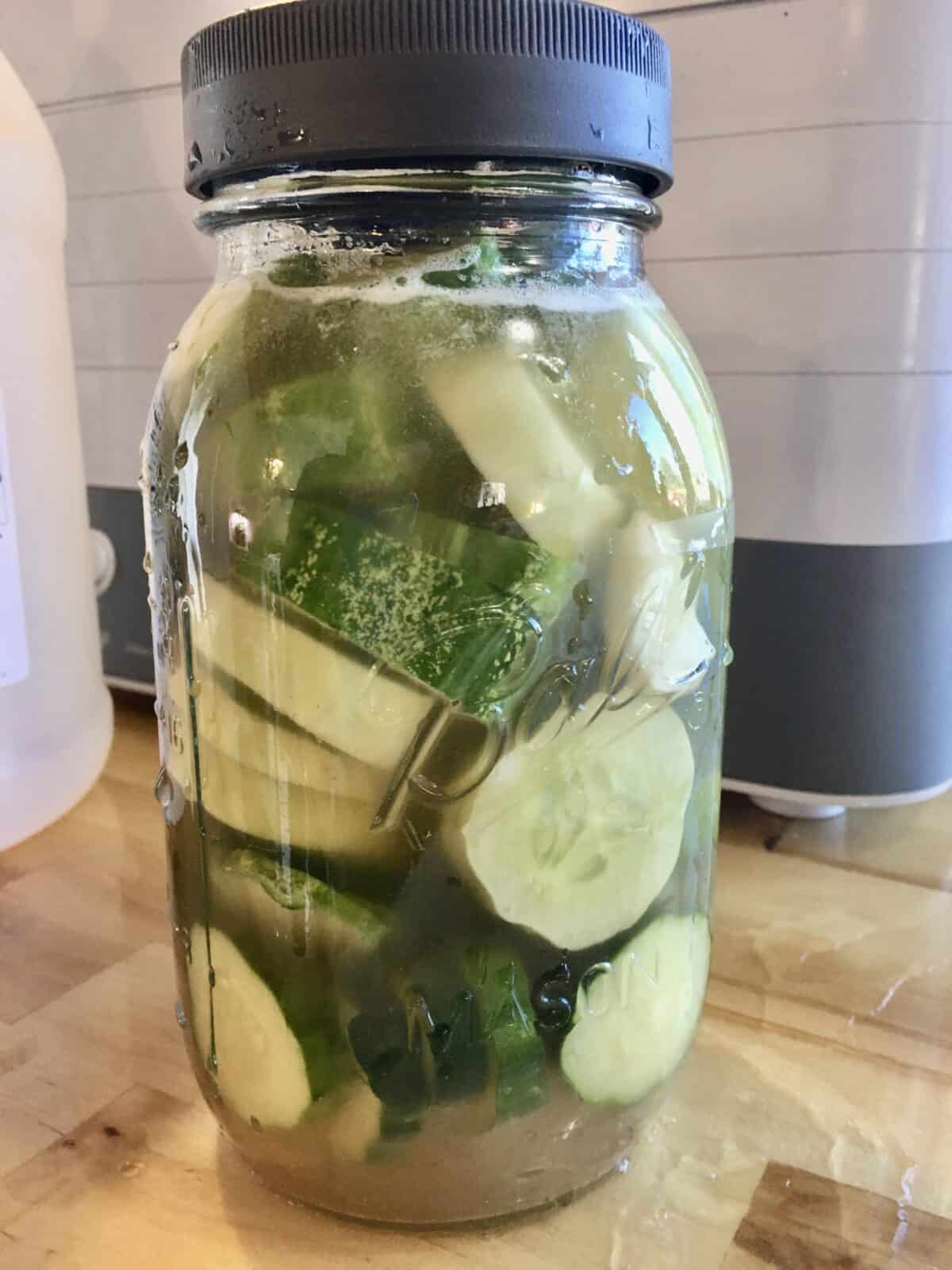
Easy Fermented Foods Families Are Making Again
As grocery prices rise and more people look to older ways of cooking, many families are rediscovering these simple foods—not as trends, but as practical skills.
Some of the most approachable fermented foods include:
- Fermented vegetables like sauerkraut or pickled carrots, made with just salt and time
- Yogurt, which was once a regular kitchen staple rather than a store-bought product
- Sourdough starters, traditionally kept alive for years and shared between households
- Simple fermented drinks made from fruit, water, and natural sugars
These foods don’t require specialized tools or advanced knowledge. They reflect the kind of cooking that once happened naturally in family kitchens.
Why Families Are Returning to Old-Fashioned Fermentation
For many households, the return to fermentation isn’t about chasing health claims or food trends.
It’s about:
- Making food last longer
- Using simple ingredients efficiently
- Reducing reliance on store-bought convenience foods
- Relearning skills that once supported everyday life
There’s also a sense of connection in these foods—a reminder that families cooked this way long before modern kitchens existed.
A Gentle Place to Start
Fermentation doesn’t need to be overwhelming. The simplest versions are often the most traditional.
If you’re curious about which fermented foods are easiest to begin with, this guide breaks down approachable options without overcomplicating the process:
Easy Fermented Foods to Start Making Now
Sometimes the best kitchen skills aren’t new at all—they’re just waiting to be used again.