
Why So Many Families Are Cooking Like It’s 1950 Again
This post may contain affiliate links. Read our disclosure policy.

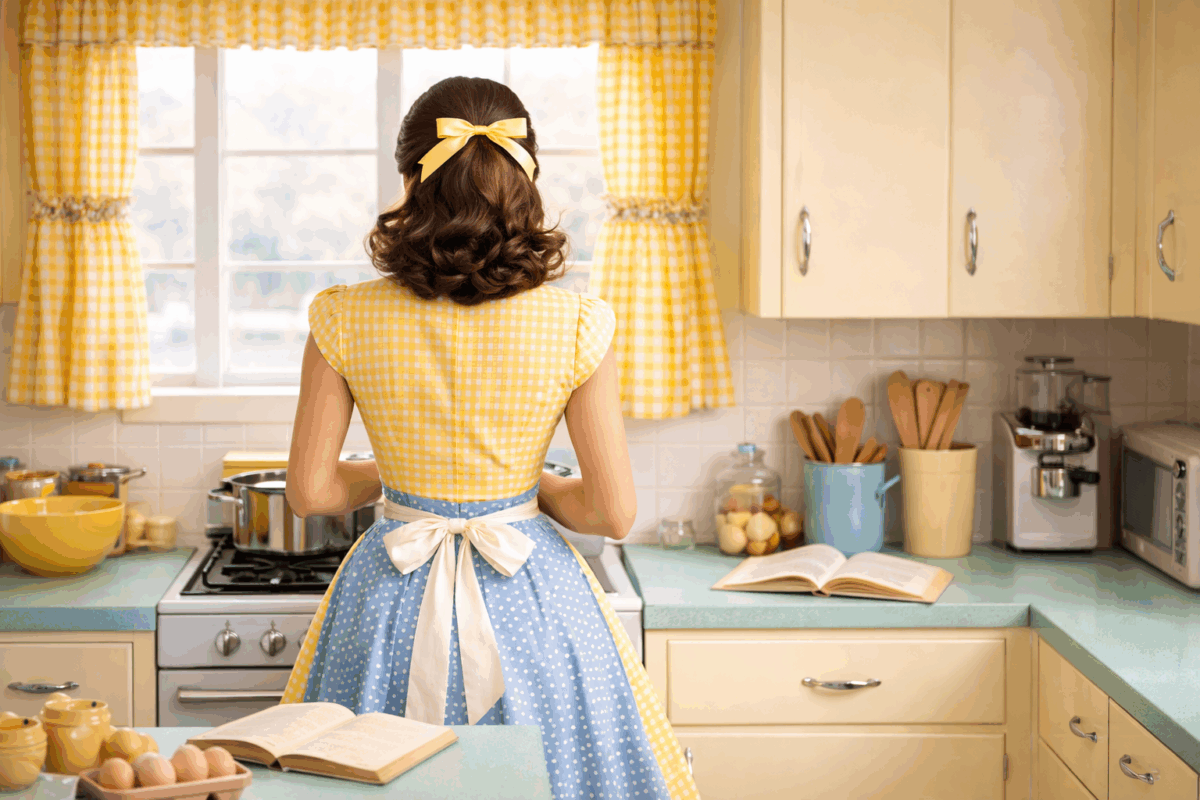
Something interesting is happening in American kitchens — and it isn’t flashy or Instagram-worthy.
More families are quietly returning to old-fashioned cooking habits that feel straight out of the 1950s. Not because they’re nostalgic, but because they work.
Fewer Ingredients, Better Meals
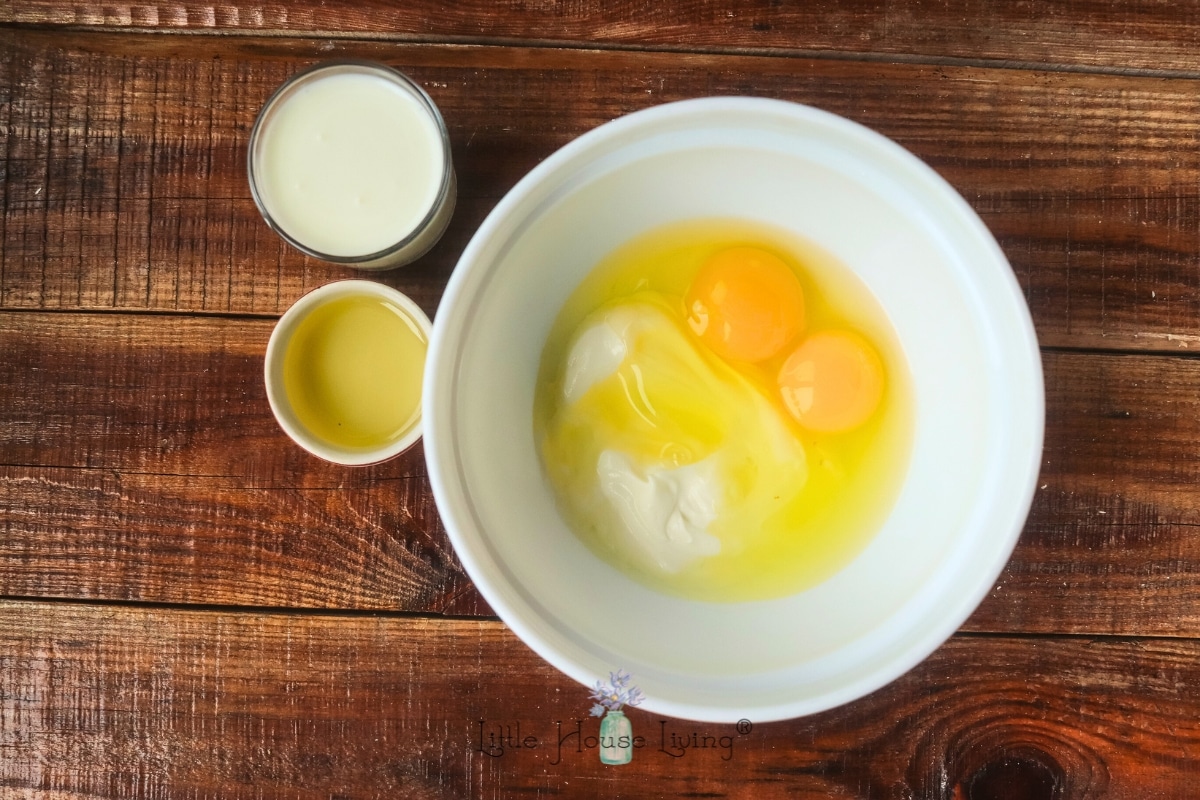
Older generations cooked with what they had, not what was trending. Fewer ingredients meant less waste and more reliable meals.
Cooking From the Pantry
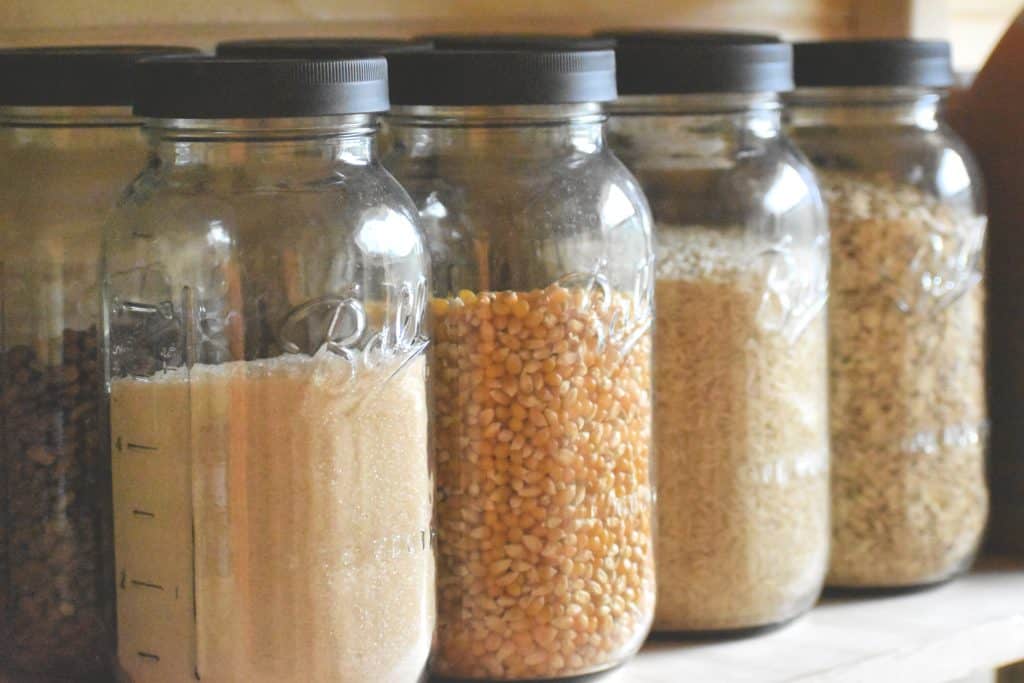
Instead of planning meals around recipes, families are planning meals around ingredients — a shift that saves money immediately.
Baking Instead of Buying

Bread, muffins, and simple desserts used to be standard kitchen tasks. Today, families are rediscovering how affordable and satisfying homemade baking can be.
Stretching Meat Instead of Centering It
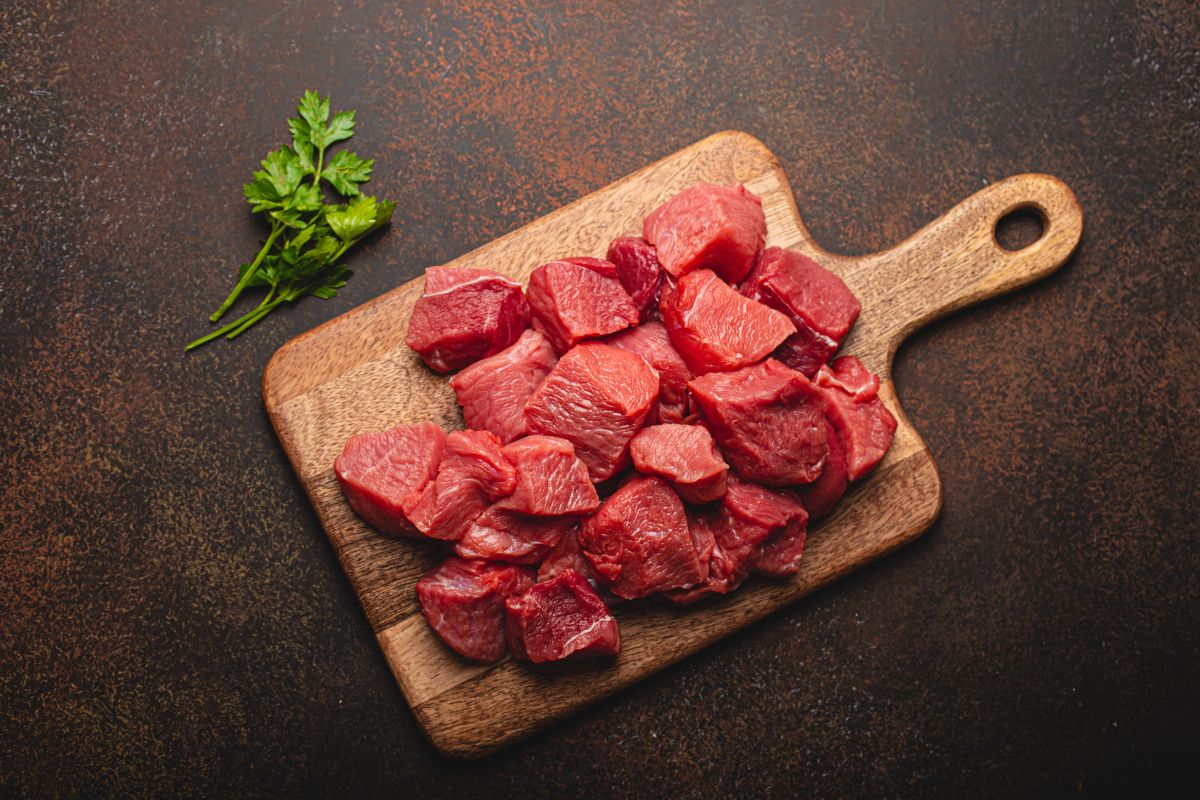
Older meals used meat as an ingredient, not the focus. Soups, casseroles, and stews made small amounts go much further.
Making Broth & Soup Regularly
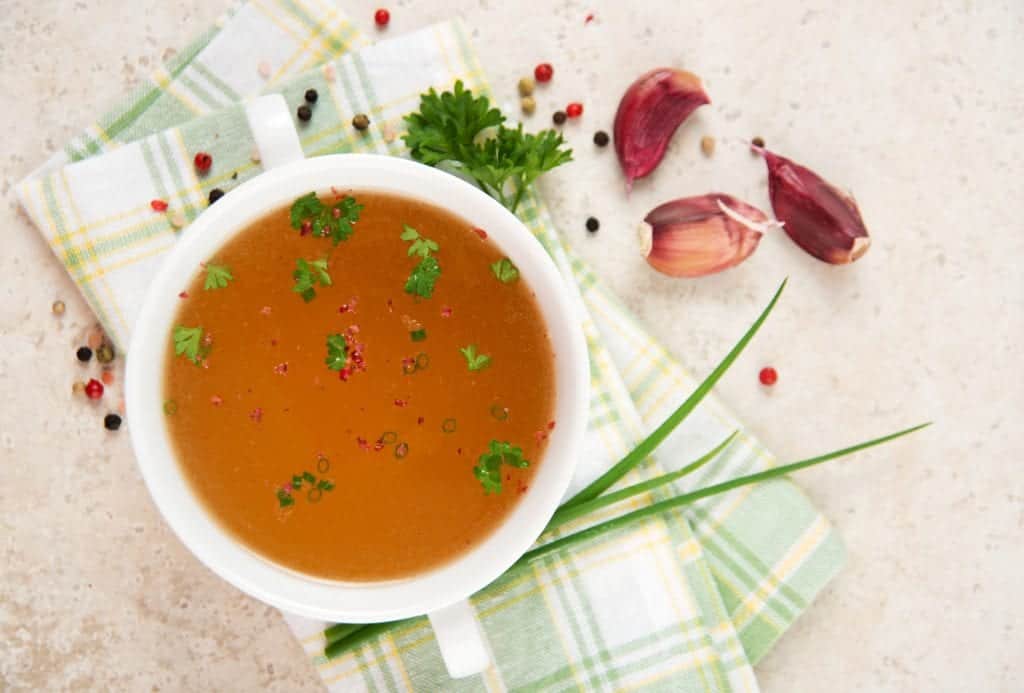
Nothing was wasted. Bones, scraps, and leftovers became the base for nourishing meals.
Making broth the old-fashioned way
Cooking Slower — Not More Often
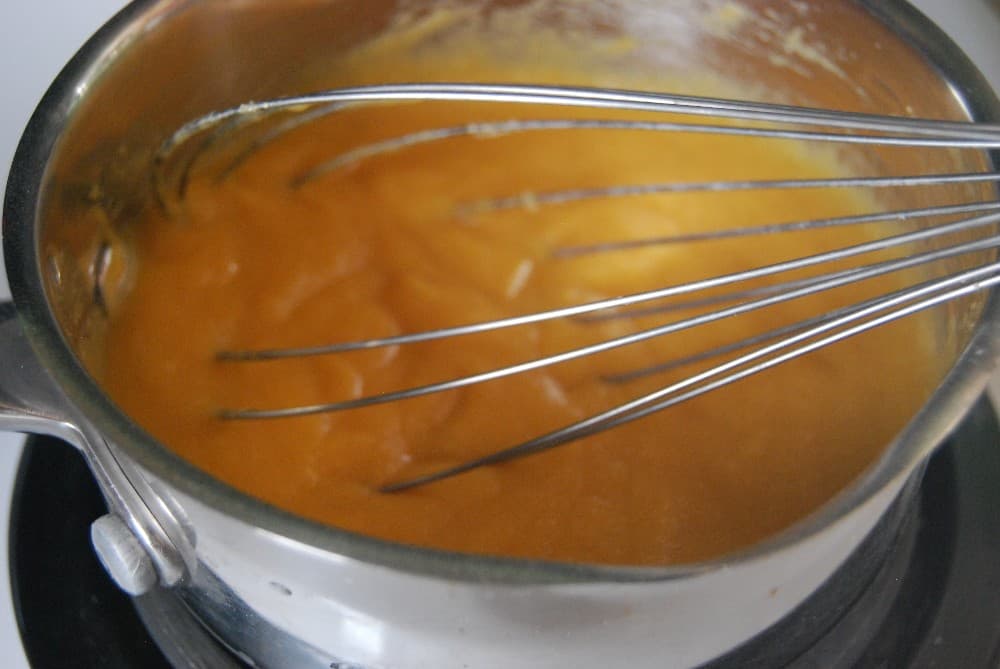
Cooking from scratch doesn’t mean cooking all day. It means building habits that simplify meals over time.
Relying Less on Convenience Foods
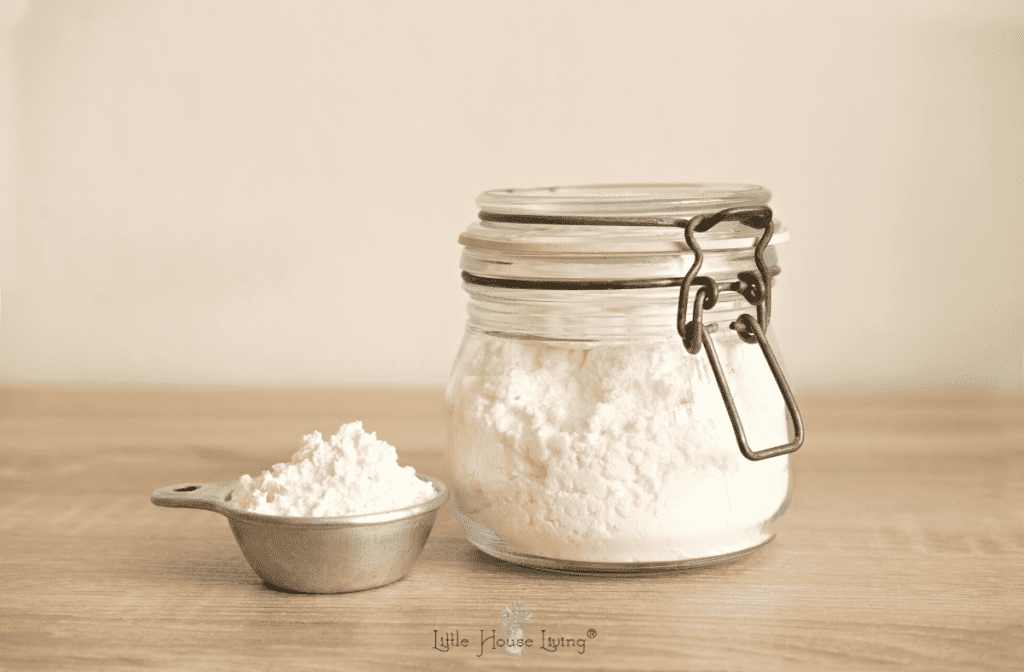
Processed foods were rare in mid-century kitchens. Today’s families are noticing the cost savings when they cut back.
Make your own homemade grocery store staples
Passing Skills Down
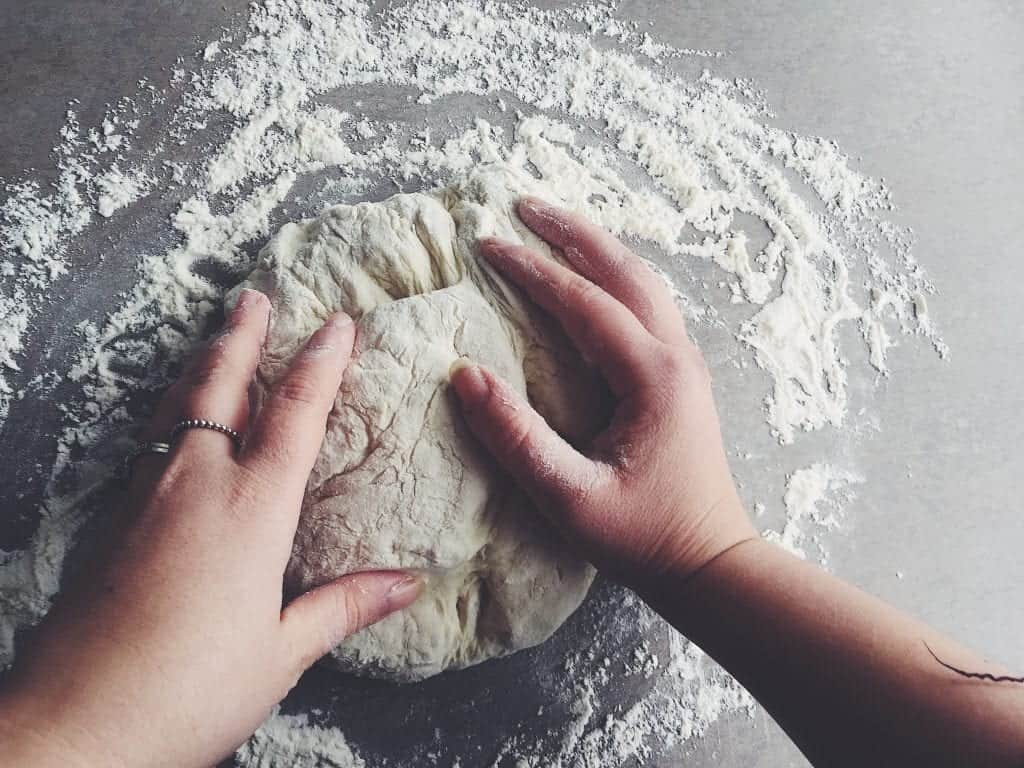
Children learned to cook by helping. That knowledge stuck — and prevented waste. We need to be passing food and cooking skills down to our kids.
Why This Shift Is Happening Now

This return to old-school cooking isn’t about perfection or aesthetics. It’s about stability, affordability, and control.
When grocery prices fluctuate and schedules feel overwhelming, dependable habits matter more than trends.
Cooking like it’s 1950 doesn’t mean giving up modern life. It means borrowing the parts that still make sense — simple meals, practical routines, and food that actually feeds people well.
And for many families, that quiet shift is making everyday life a little easier.