
9 Frugal Life Lessons from American Presidents
This post may contain affiliate links. Read our disclosure policy.

Presidents are often associated with power and prestige, but many of America’s leaders practiced surprisingly practical habits. From growing food to avoiding debt, their personal choices reveal timeless lessons about thrift, simplicity, and stewardship.
Here are frugal habits and philosophies drawn from various presidents — along with documented sources behind them.
Throughout American history, several presidents modeled practical financial habits that still apply today.
George Washington: Avoid Debt
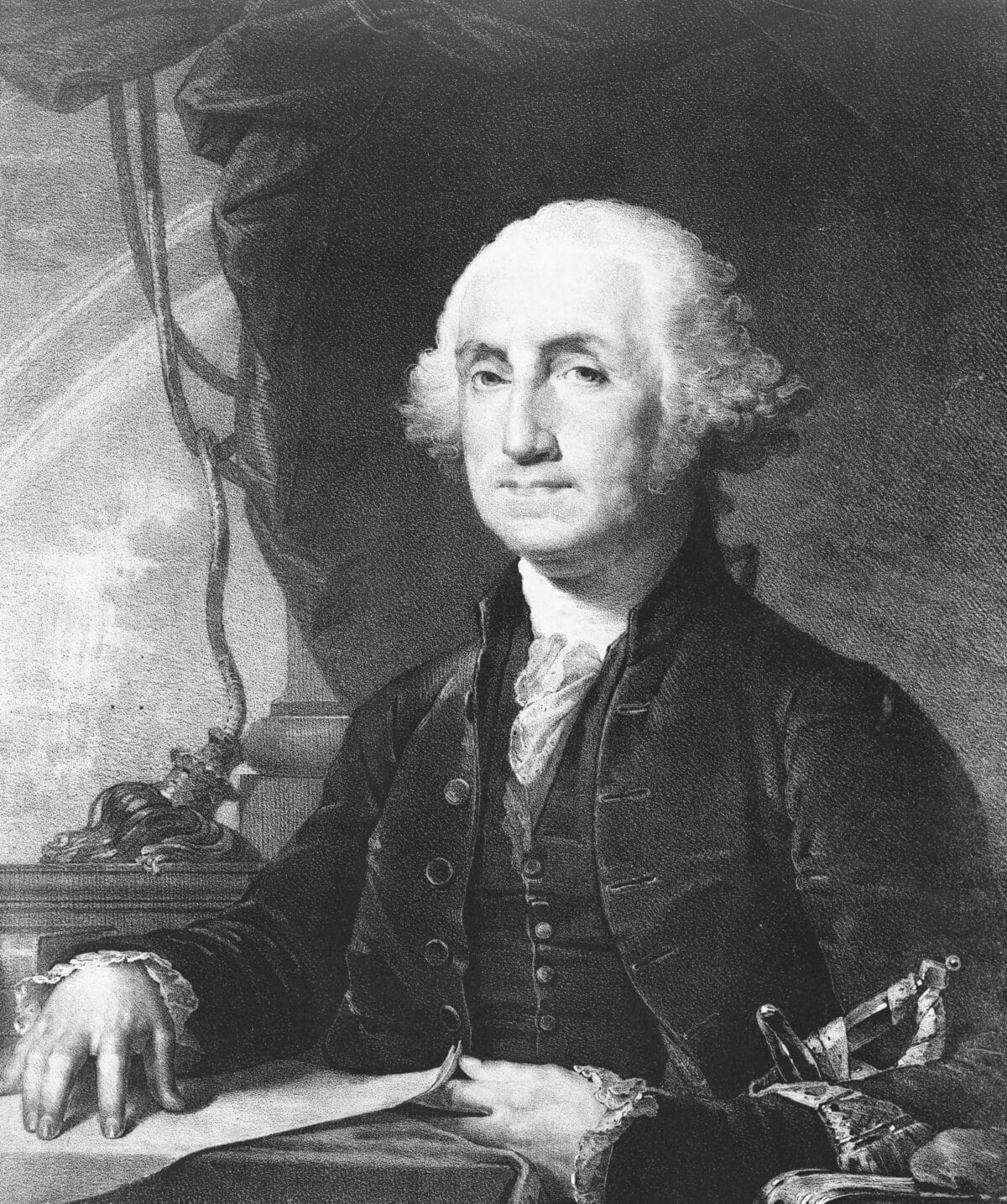
George Washington repeatedly warned against unnecessary debt in both personal and national matters. In a 1787 letter to his nephew Bushrod Washington, he wrote, “Avoid gaming. This is a vice which is productive of every other vice… and above all, avoid contracting debts.”
His emphasis on living within one’s means remains a foundational principle of frugality.
SOURCE: Letter to Bushrod Washington, January 15, 1787.
Thomas Jefferson: Grow Your Own Food
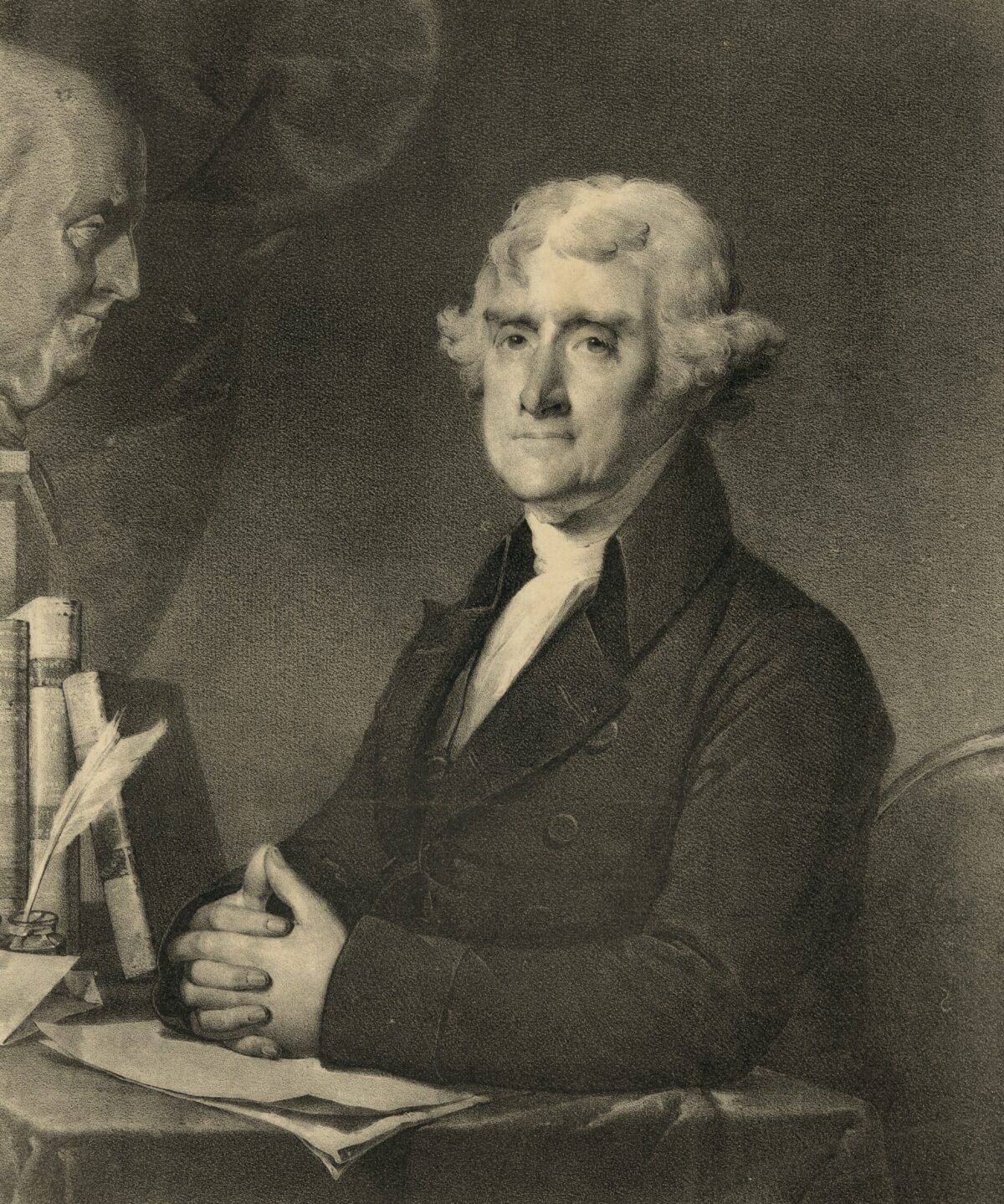
Thomas Jefferson maintained extensive gardens at Monticello and carefully recorded crop production. His “Garden Book” documents his belief in agricultural self-sufficiency.
Growing food wasn’t just philosophical — it reduced dependence on purchased goods.
SOURCE: Thomas Jefferson’s Garden Book (1766–1824).
Abraham Lincoln: Repair and Reuse
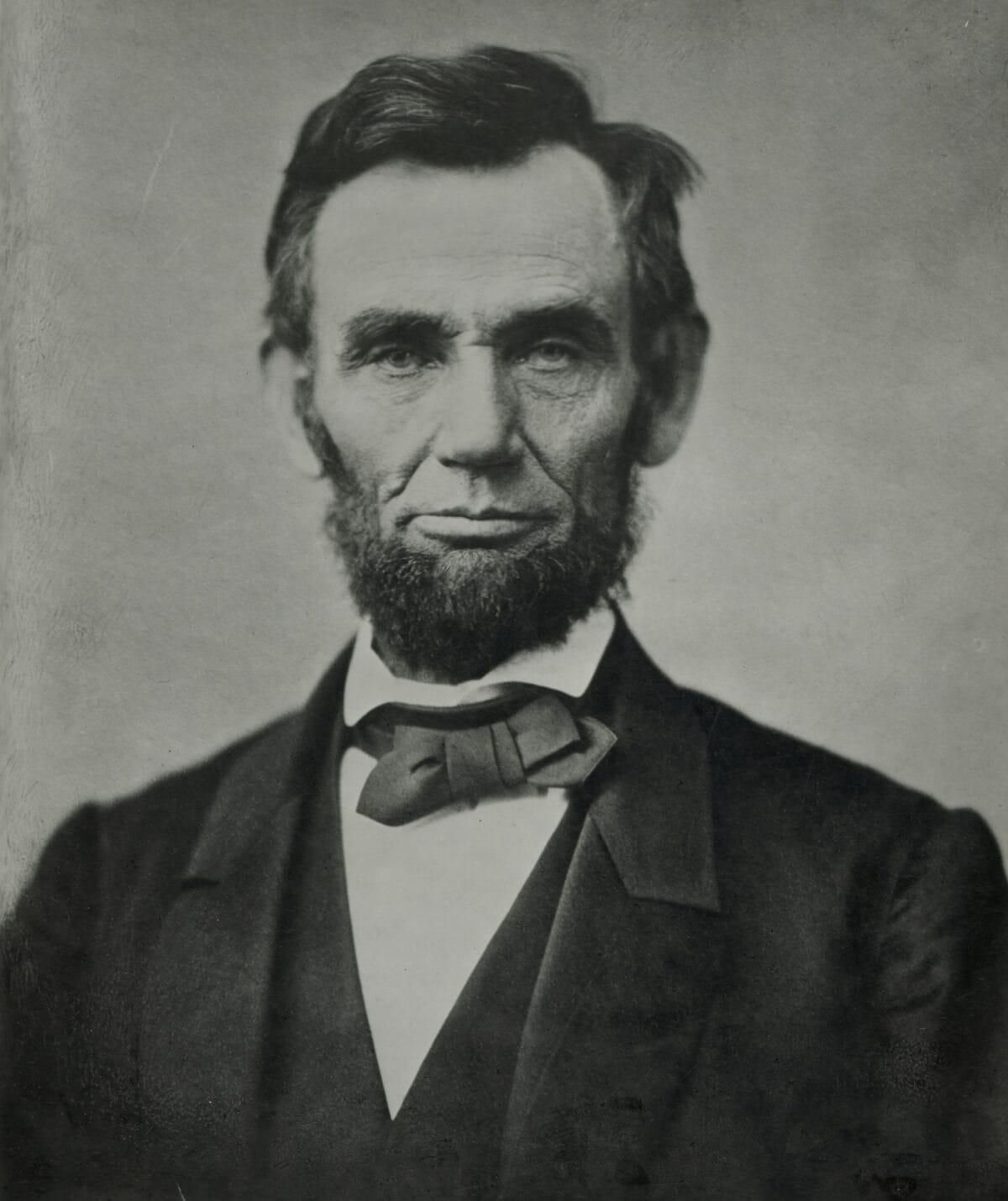
Lincoln was known for modest living and reusing personal belongings. Historical accounts describe him repairing items and wearing patched clothing during his early years.
His upbringing on the frontier required making do rather than replacing.
SOURCE: Herndon’s Life of Lincoln (William H. Herndon, 1889).
Calvin Coolidge: Live Simply
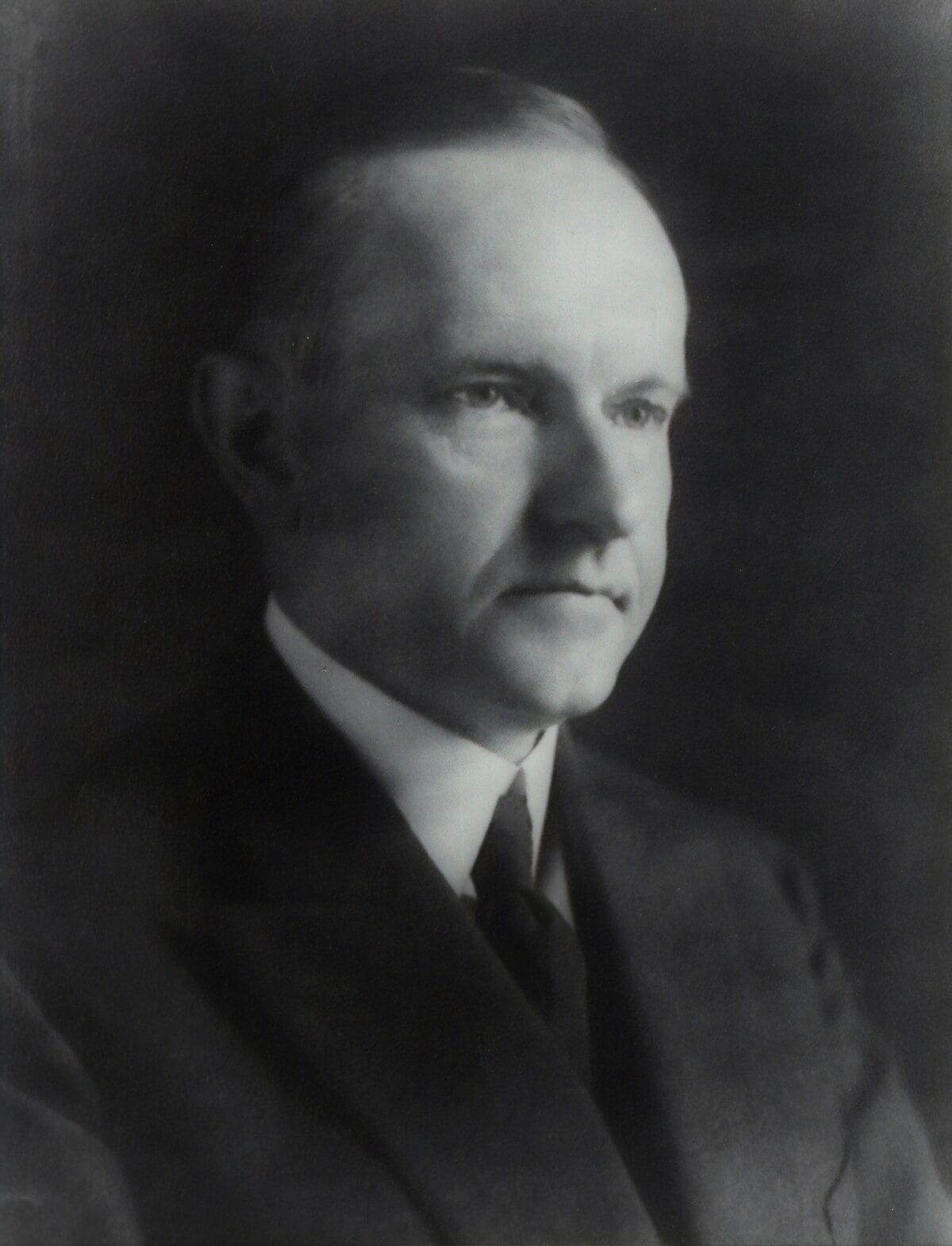
Coolidge was known for frugal personal habits and restraint in spending. He believed strongly in limited government spending and personal modesty.
He reportedly turned off lights personally at the White House to conserve electricity.
SOURCE: “Coolidge” by Amity Shlaes (2013).
Harry S. Truman: Watch the Budget
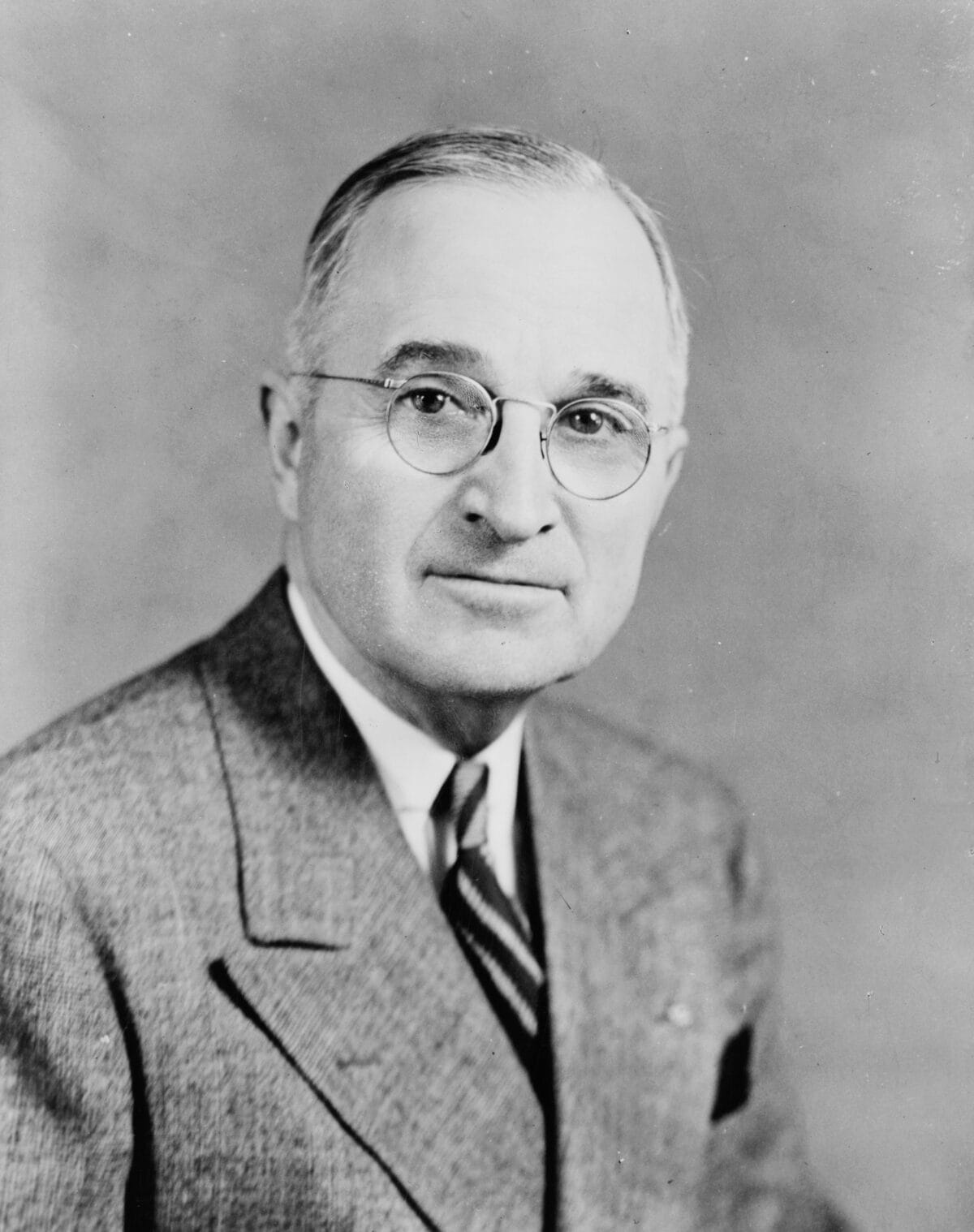
Before becoming president, Truman operated a small business and later kept detailed household accounts.
He famously kept a sign on his desk reading “The Buck Stops Here,” emphasizing financial responsibility and accountability.
SOURCE: Harry S. Truman Presidential Library historical records.
Herbert Hoover: Reduce Waste
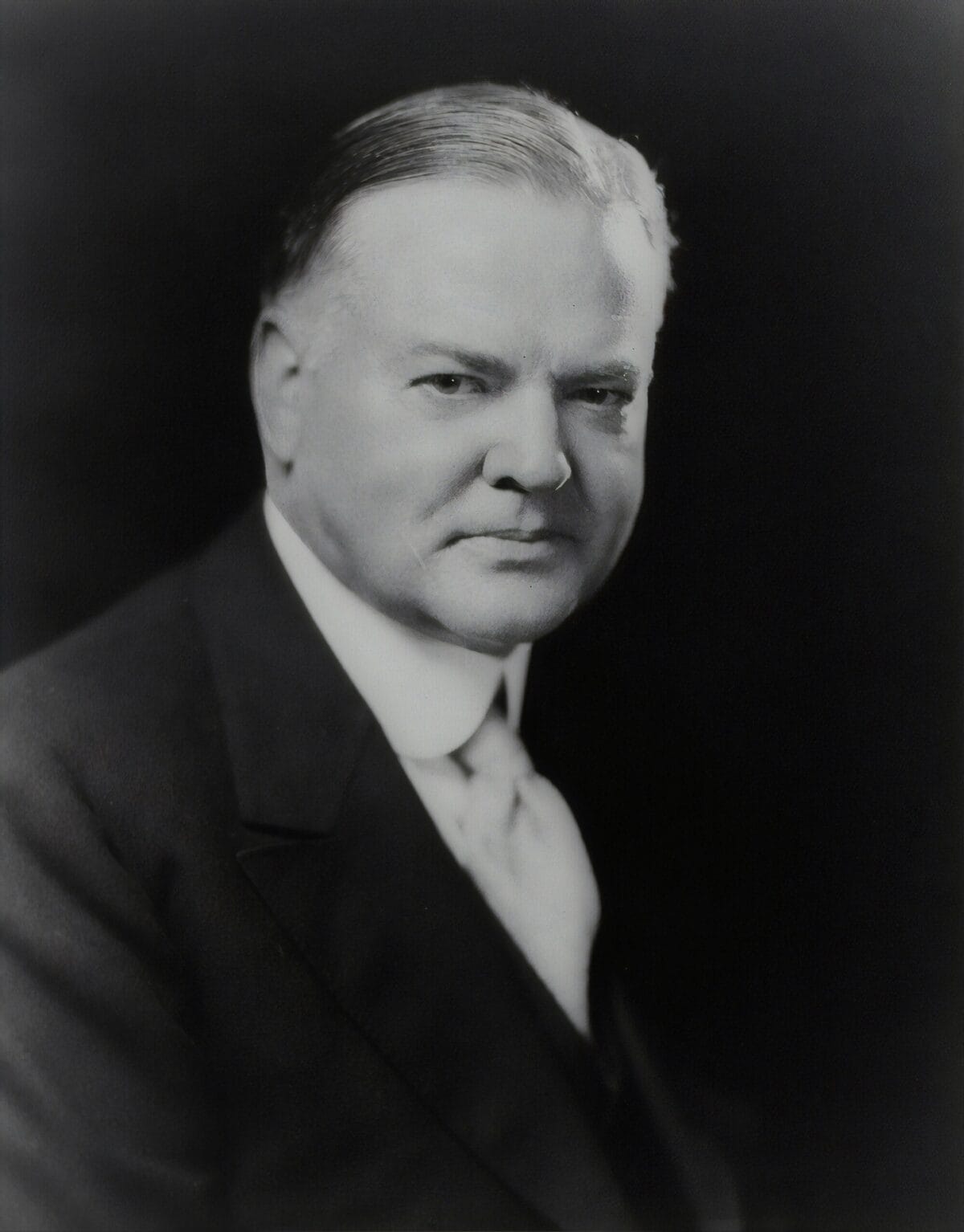
Before his presidency, Hoover led massive food conservation efforts during World War I.
He promoted voluntary rationing and minimizing waste through campaigns like “Meatless Mondays” and “Wheatless Wednesdays.”
SOURCE: U.S. Food Administration records (1917–1918).
Jimmy Carter: Energy Conservation
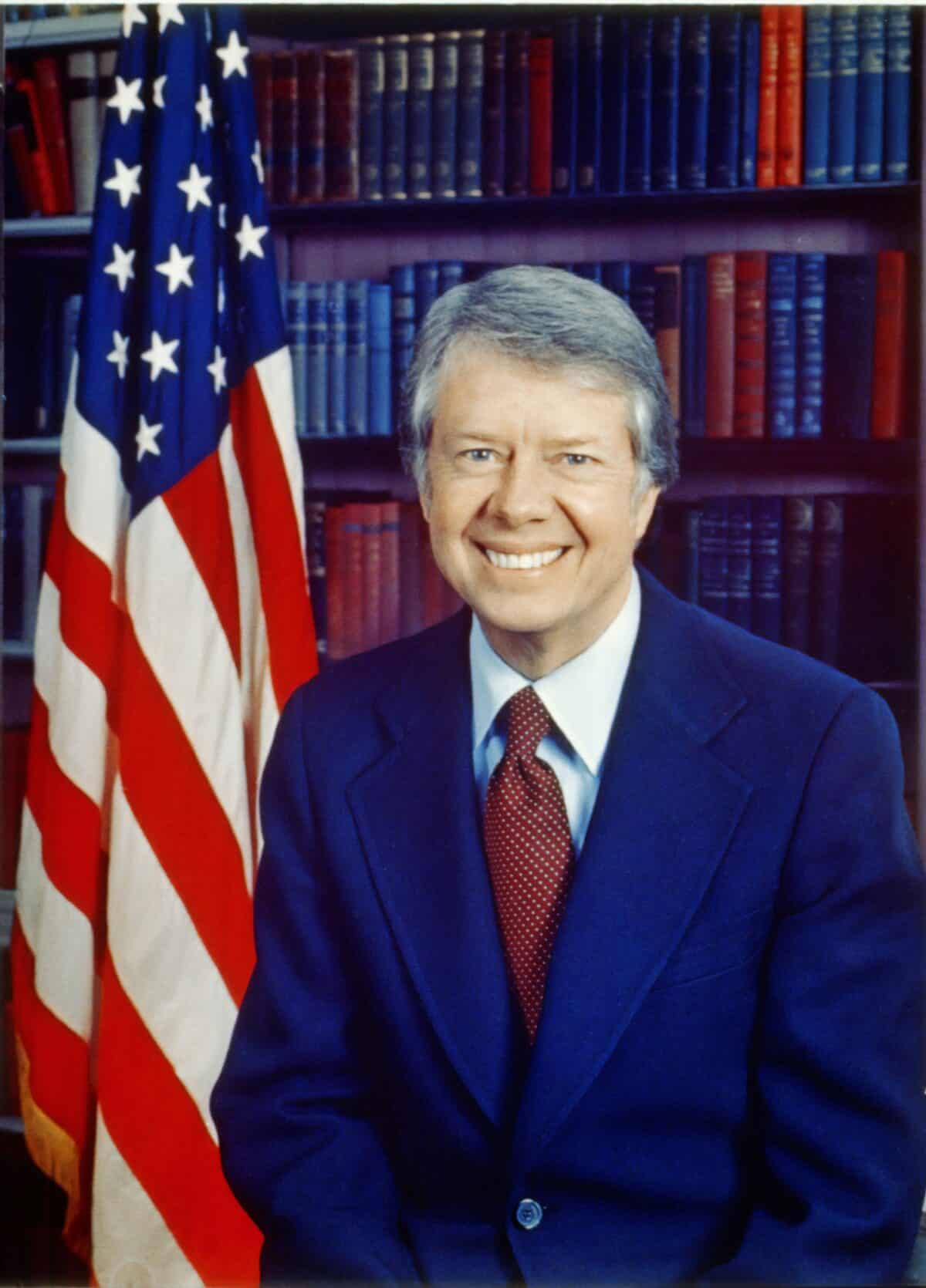
Carter promoted energy conservation during the 1970s energy crisis. He encouraged Americans to lower thermostats and reduce consumption.
He also installed solar panels on the White House roof in 1979.
SOURCE: White House Historical Association.
Theodore Roosevelt: Use What You Have
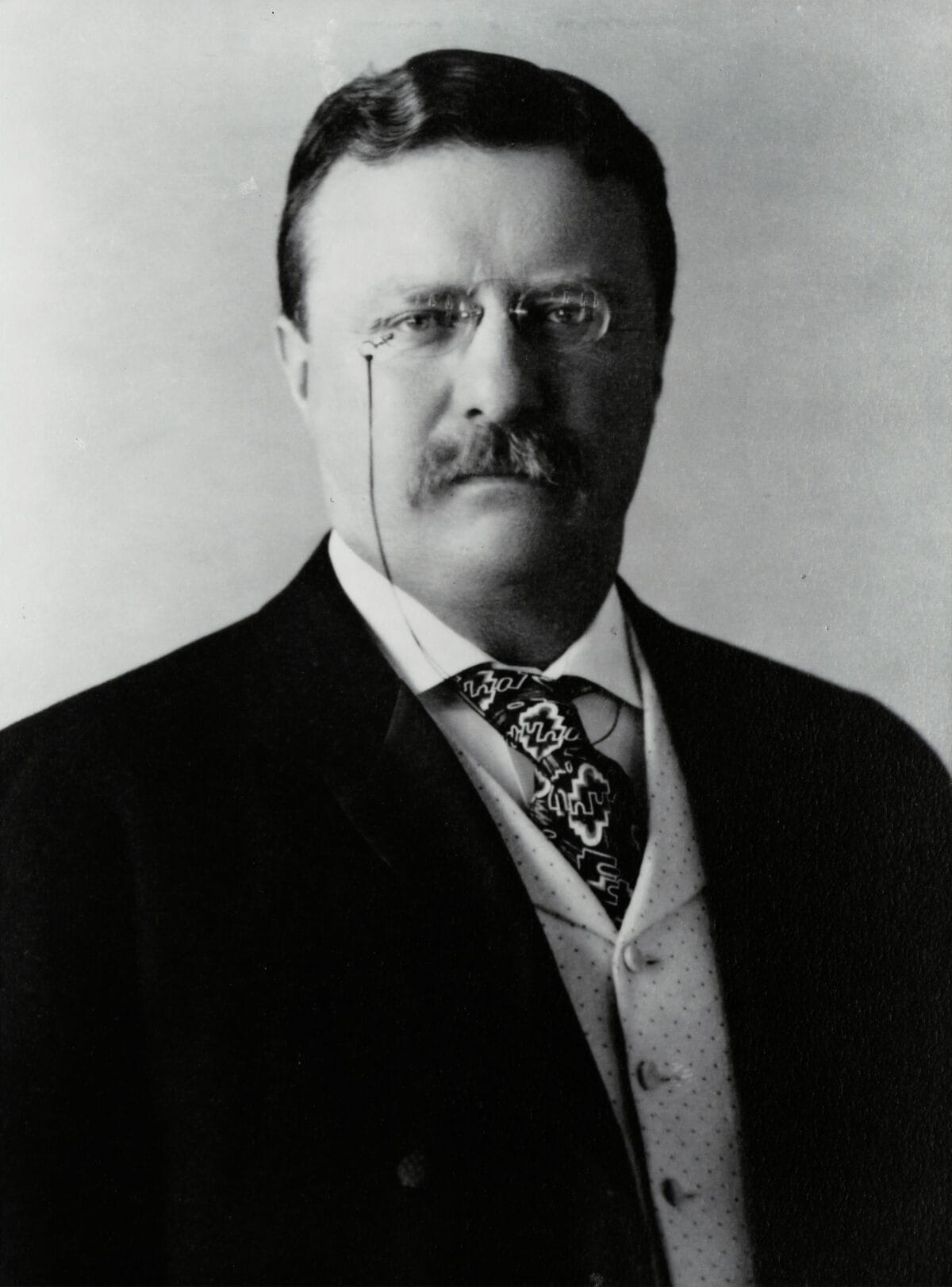
Roosevelt embraced outdoor living and physical labor at his ranch in North Dakota.
He valued resourcefulness and practical self-reliance, which shaped his lifestyle long before politics.
SOURCE: “The Rise of Theodore Roosevelt” by Edmund Morris (1979).
John Adams: Keep Records
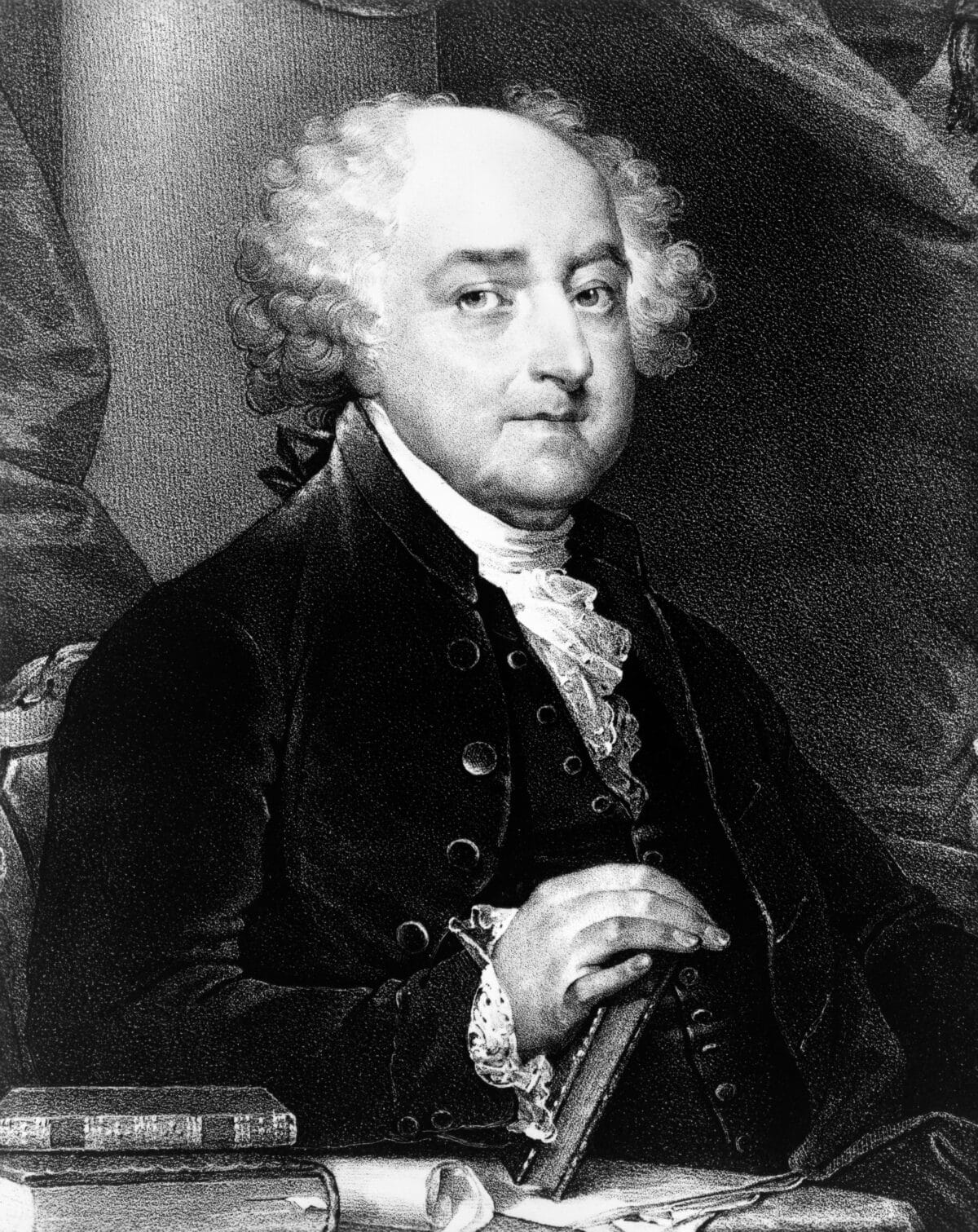
John Adams was known for meticulous record-keeping and financial documentation. His diaries reveal careful management of household expenses.
Keeping clear financial records remains one of the most practical frugal habits today.
SOURCE: The Adams Papers, Massachusetts Historical Society.
Practical wisdom often stands the test of time.
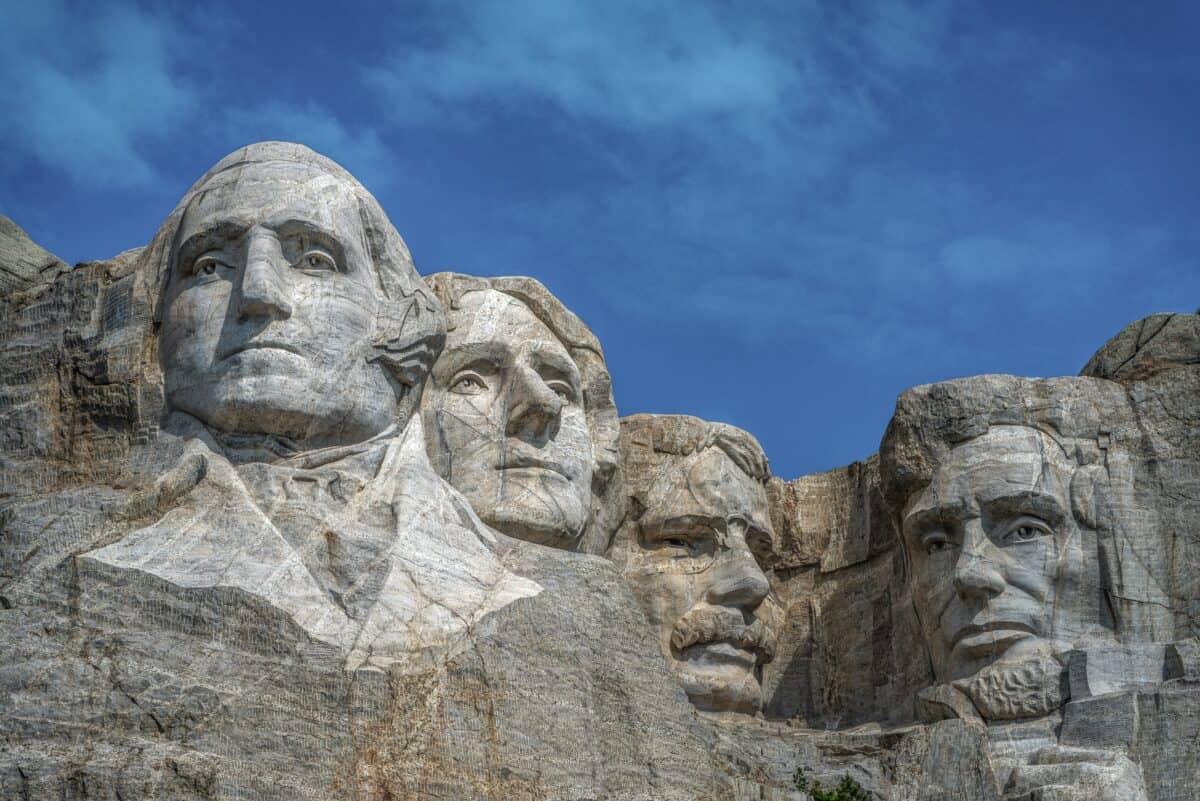
Frugality isn’t a modern trend. Throughout history, leaders have practiced habits rooted in restraint, stewardship, and responsibility.
While times have changed, the principles remain: grow what you can, avoid debt, reduce waste, conserve energy, and keep good records.