
Homeschooling Through the Holidays: Simple Ways to Make Learning Fun
This post may contain affiliate links. Read our disclosure policy.
The holidays provide so many wonderful opportunities for natural learning and for curiosity to bloom. There are many things that we will naturally be doing that your children can learn math, science, art, and other simple lessons from! Let’s dive into this together today.

The holiday season can be a busy, crazy time of friends, family, activities, and everything else. Sometimes it might seem hard to get any “normal schooling” in based on what you have planned!
This is the perfect time for families to embrace slow, simple learning woven naturally into home life. There are so many natural opportunities for learning when it comes to things that we do during the holidays. Here are some things to get you started!
Why Homeschooling Looks Different During the Holidays
As parents, it helps to follow a natural seasonal rhythm in life and especially when it comes to helping our children learn.
You already know that kids learn best when hands and hearts are engaged. They need something that grabs their attention and keeps it, otherwise they are unlikely to retain the information.
There are so many homestead preparations during all times of the year that = real-world education. It’s good to take advantage of those things! There’s no reason to feel mom guilt about what types of schooling your kids get in during this time. Embrace the season!
If you’re baking bread, planning meals, or wrapping gifts… you already have a homeschool classroom.
Holiday Kitchen Activities That Teach
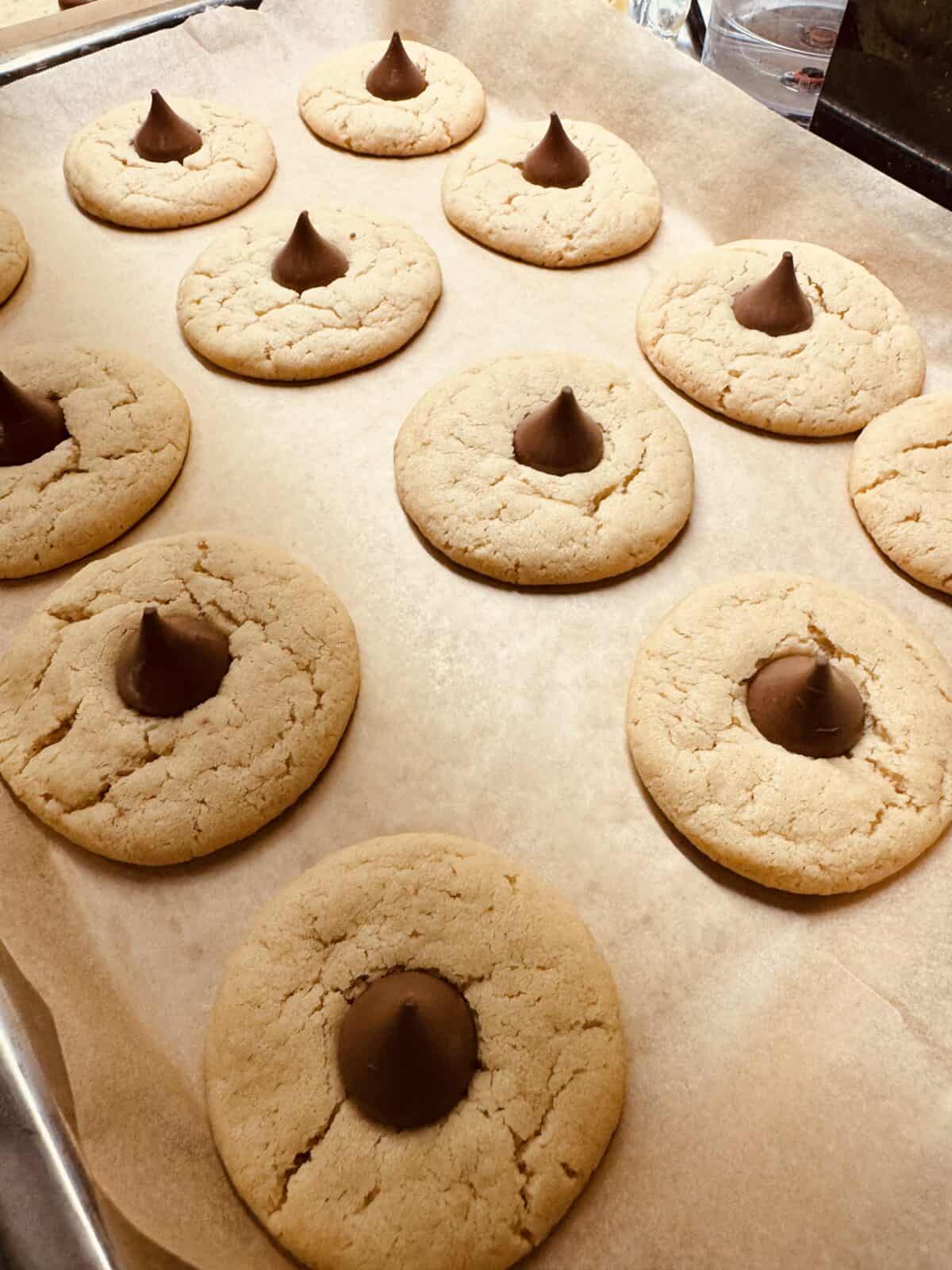
1. Cookie Baking & Decorating
Skills learned:
- Math (measuring, doubling recipes)
- Fine motor skills (rolling, cutting, decorating)
- Science (why butter softens, how baking powder works)
- Creativity
Try this: Have kids create their own cookie flavor or decorate cookies to look like historical figures, animals, or storybook characters. If they ask questions about that person or thing, that’s a great way to do some research together!
Our favorite cookies to make together:
- Soft Sugar Cookies
- Mom’s Old Fashioned Chocolate Chip Cookies Recipe
- Old Fashioned Christmas Cookie Recipes

2. Sourdough Starter & Fermentation
Skills learned:
- Biology (yeast, beneficial bacteria)
- Long-term observation
- Patience and consistency
- Chemistry (fermentation gases + gluten development)
Try this: Give each child their own tiny starter jar to feed and track. Create a simple starter-feeding chart. Let them try different types of flours and experiment.
Read more:
- Sourdough Caramel Rolls Recipe
- Ridiculously Easy Sourdough Pizza Crust (Step by Step)
- Sourdough Discard Recipes
- How to Make Gluten-Free Sourdough Starter
3. Candy Making & Temperature Experiments
Skills:
- States of matter
- Temperature accuracy
- Thermometer reading
- Kitchen safety
Try this: Let kids test the stages (soft ball, hard crack) with water and label samples.
Our favorite homemade candies:
- Maple Syrup Candy Recipe
- Tuiles – A Maple Syrup Candy Recipe
- How to Make Peach Gummies and Peachy O’s Candy
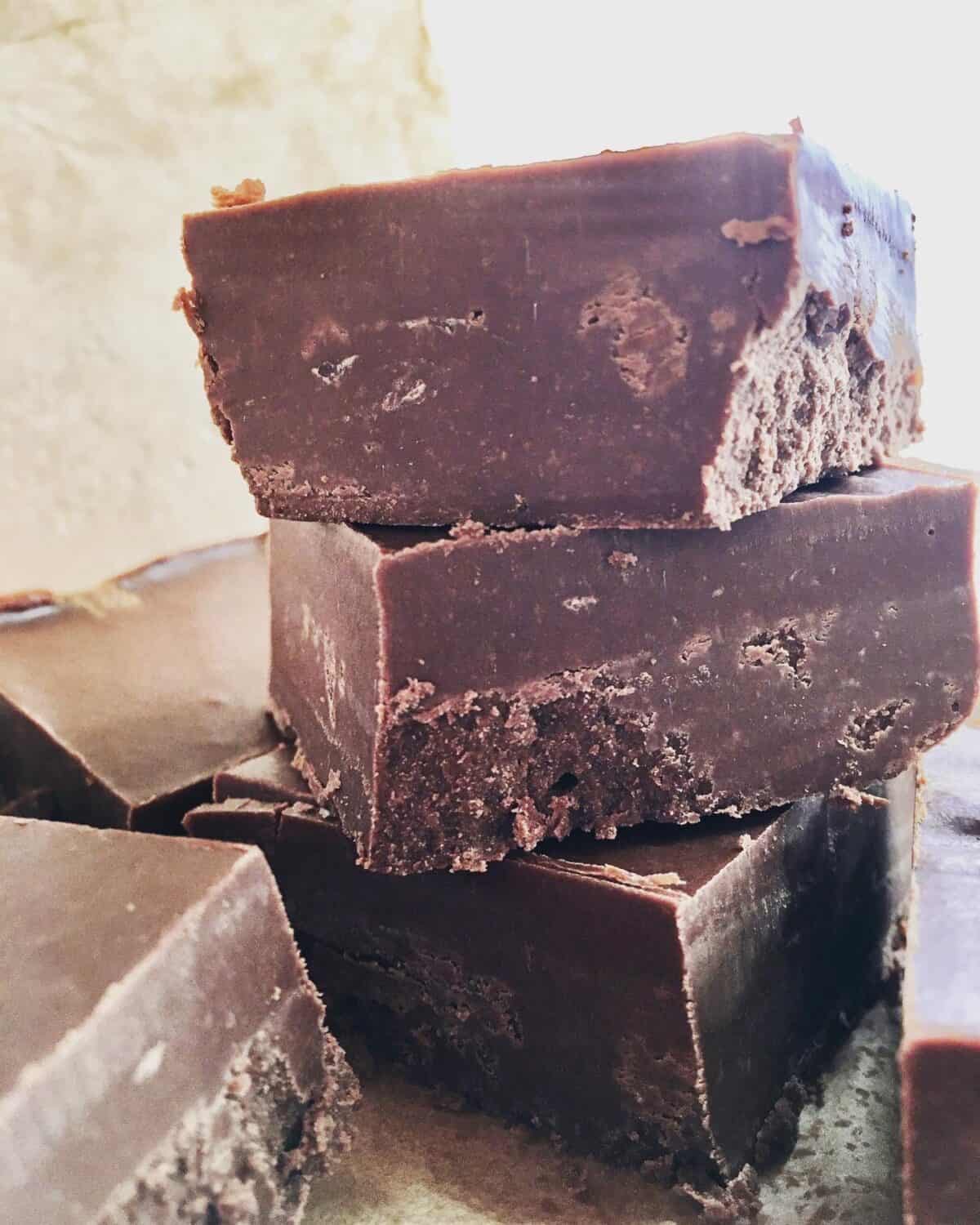
- The Best Fudge Recipe Ever
- Sweet Penny Treats for the Holidays
Handmade Ornaments & Creative Arts
1. Cinnamon Dough or Salt Dough Ornaments
Skills:
- Math, mixing ratios
- Crafting
- Sensory play
- Drying vs. baking observations
Try this: Let kids press natural items—pine needles, berries, herbs—into the dough

2. Old-Fashioned Paper Chains
Skills:
- Patterns
- Scissor skills
- Counting
- Color sequencing
Read more: Old Fashioned Christmas Decorations

3. Nature Crafts From the Homestead
Things to Make & Skills:
- Dried orange slices
- Pine cone bird feeders
- Homemade garland with fabric scraps
- Twig stars and evergreen bundles
- Skills: Botany, fine motor skills, creativity, understanding seasons
Holiday Homemaking as Practical Life Learning
1. Planning Holiday Meals
Skills:
- Menu planning
- Budgeting
- Reading charts
- Organization
Try this: Let kids help plan one meal or choose a winter vegetable and research where it grows.
Read More: Teaching Meal Planning to Kids

2. Gift Wrapping & Handmade Gifts
Skills:
- Spatial reasoning
- Measuring
- Creativity
- Resourcefulness (using simple wrapping like brown paper + twine)
Read more: Homemade Gift Ideas

3. Decluttering & Preparing the Home
Teach:
- Sorting
- Prioritizing
- Donating items
- Caretaking of the home environment
Try this: Make a “Holiday Home Reset” checklist for kids.

Car Schooling, Cozy Read-Alouds, and Slow Evenings
Read-Aloud Ideas:
- Classic winter tales (The Long Winter is always good!)
- Books about holidays around the world
- Homestead or farm-based children’s books (Something like Sarah Plain and Tall is sweet. An Otis Christmas is my favorite Christmas picture book.)
Car Schooling:
- Audiobooks (We use Sherwood for this, use coupon code “littlehouseliving” for 10% off!)
- Fun memory games
- Nature spotting on drives (“find 3 evergreen shapes”)
Homestead Lessons for Winter
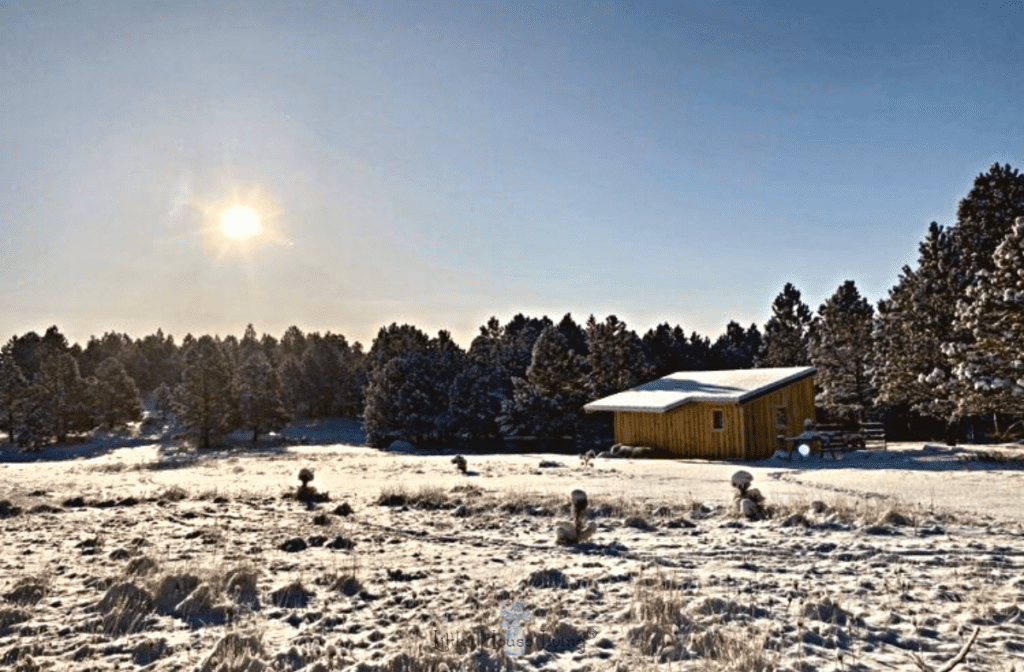
There are many general homesteading tasks that happen in the winter that are perfect for learning. These can be done any time in the winter, not just during the holidays! They are things like:
- Tracking animal footprints in the snow
- Learning about weather patterns
- Basic winter foraging (rosehips, pine needles)
- Firewood stacking as PE + math
- Winter bird observation
I hope that some of these will give you ideas on what you can do with your children during this holiday season, regardless of their ages!
Are these ideas helpful for you? Which are you doing with your kids?

Merissa Alink
Merissa has been blogging about and living the simple and frugal life on Little House Living since 2009 and has internationally published 2 books on the topic. You can read about Merissa’s journey from penniless to freedom on the About Page. You can send her a message any time from the Contact Page.
Wow!! That’s amazing! Thanks so much for sharing your creative ideas. I so appreciate it, as it’s nice to just take a breath and while enjoying the holiday season with our kiddos, we can rest assured that they ARE learning. Even though it may not be in the traditional setting, I feel that it’s just as valuable because these are the practical skills that they will be using everyday of their lives.
Yes, exactly! 🙂