
Pantry Foods That Last Longer Than You Think
This post may contain affiliate links. Read our disclosure policy.

With food prices staying high, many families are paying closer attention to what they already have at home.
One of the biggest surprises for people is how long certain pantry foods actually last. Items that are often tossed “just in case” may still be perfectly usable, leading to unnecessary waste and extra grocery trips.
Understanding which staples keep well—and how to store them—can bring both peace of mind and real savings.
Dried Beans: A Pantry Staple That Goes the Distance
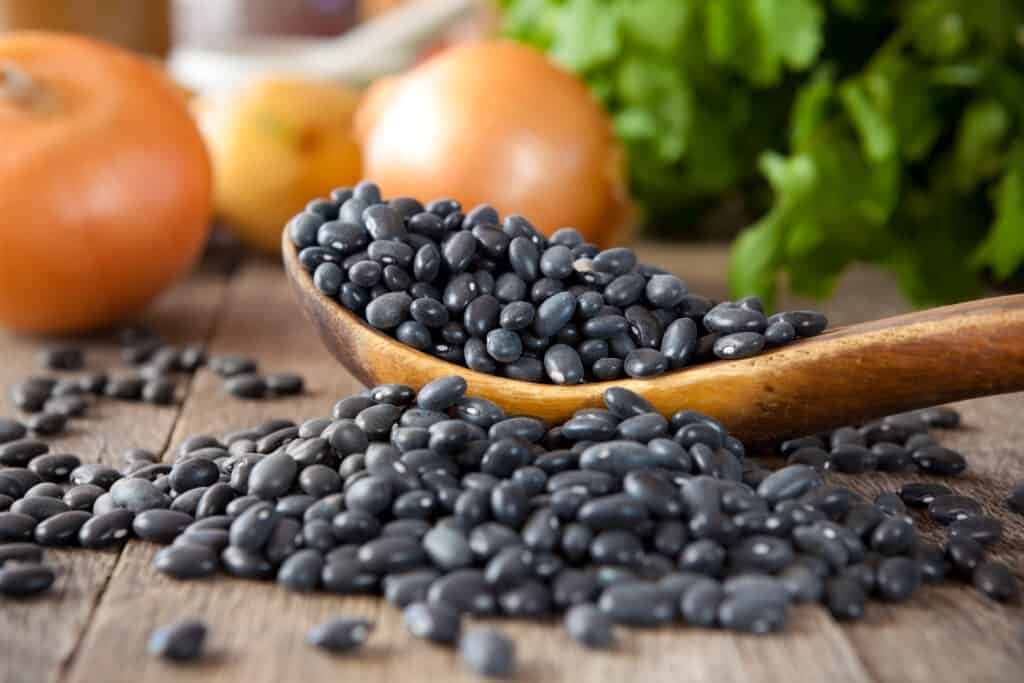
Dried beans are one of the most misunderstood pantry foods.
While many packages carry a “best by” date, dried beans don’t suddenly spoil when that date passes. When kept dry and protected from pests, they can remain usable for years.
Over time, older beans may take longer to cook or soften, but they’re often still safe and useful. This makes them one of the most dependable long-term pantry staples for families looking to stretch their food budget.
How Long Do Dried Beans Last? Storage Tips
Rice: A Long-Term Essential

Rice is another pantry item with impressive staying power.
White rice, in particular, stores very well when kept in airtight containers away from moisture. Brown rice has a shorter shelf life because of its natural oils, but proper storage can still help it last far longer than many people expect.
For many households, rice remains a reliable foundation for meals long after the purchase date.
Pasta: Dry and Durable
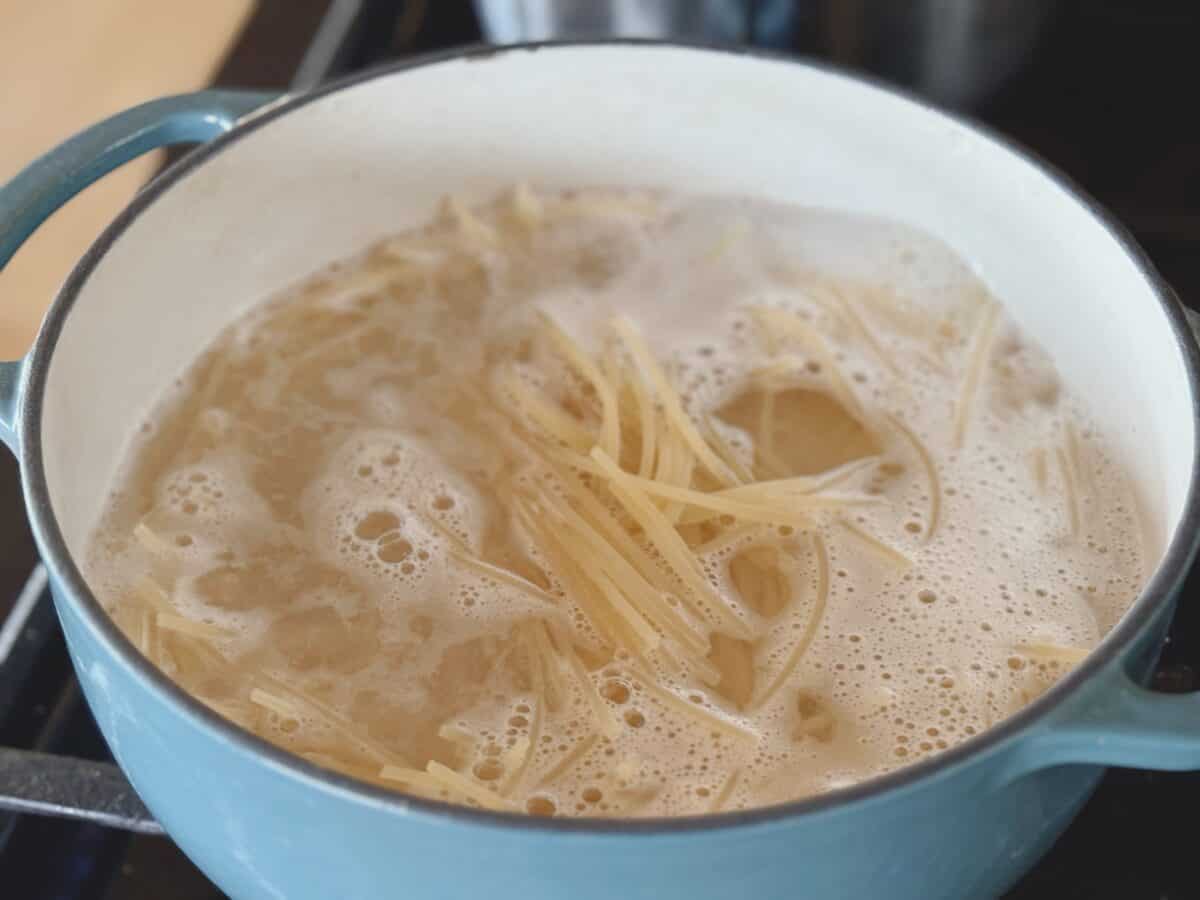
Dried pasta is designed to last.
As long as it stays dry and free from pests, pasta can remain usable well beyond its printed date. Changes in texture may occur over time, but spoilage is uncommon when storage conditions are good.
This makes pasta an easy pantry item to buy in bulk without worry.
Rolled Oats: Often Good Past the Date

Rolled oats are another staple that frequently outlasts expectations.
Stored in a cool, dry place, oats can remain usable for years. Like other grains, they may slowly lose freshness, but they rarely become unsafe unless exposed to moisture or insects.
Checking smell and appearance is often more useful than relying solely on the date.
Flour: With a Few Caveats
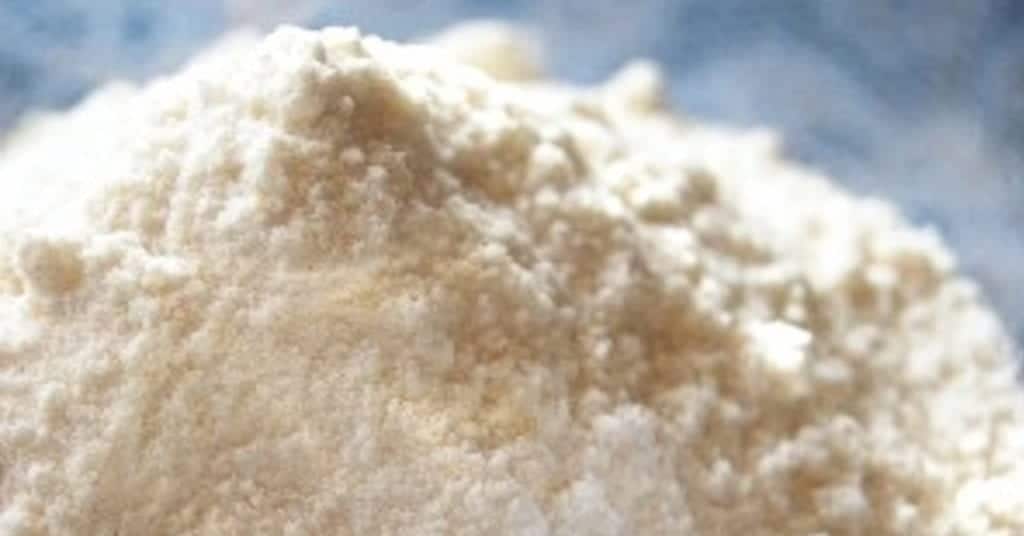
Flour can last a long time, but it does require a bit more attention.
White flour generally keeps longer than whole wheat flour, which contains oils that can go rancid over time. Proper storage—airtight containers and cooler temperatures—can significantly extend shelf life.
When in doubt, a quick smell test is often the best indicator.
Simple Storage Tips That Make a Big Difference
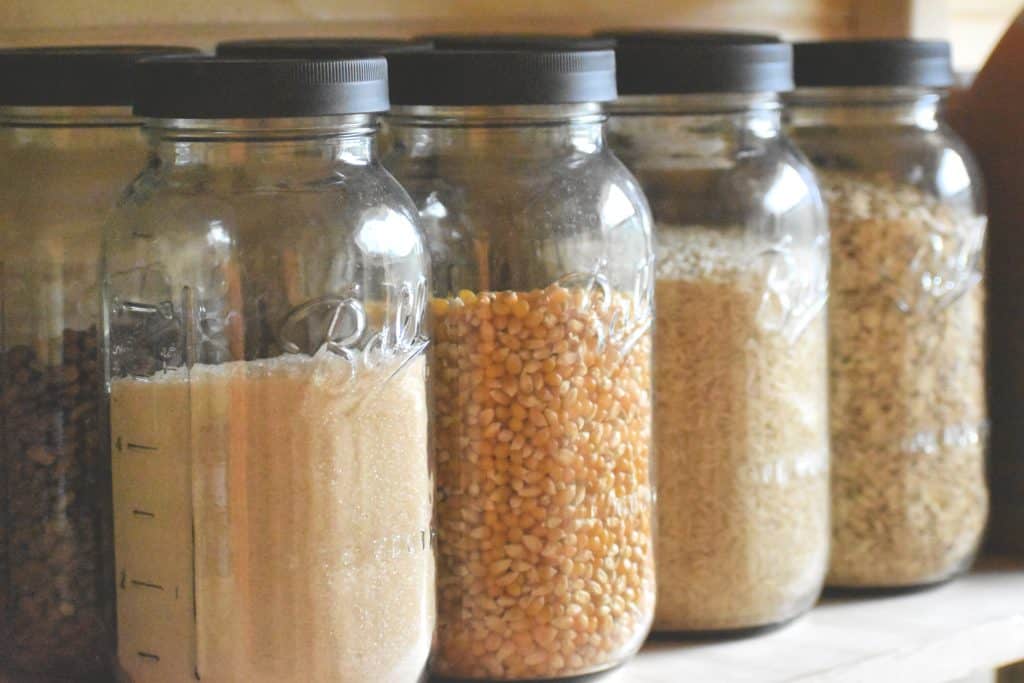
You don’t need complicated systems to help pantry foods last longer.
- Use airtight containers when possible
- Keep foods dry and away from humidity
- Store in a cool, dark place
- Label items if you buy in bulk
These small habits can help reduce waste and make pantry shopping feel less stressful.
Food Confidence Starts With Knowledge
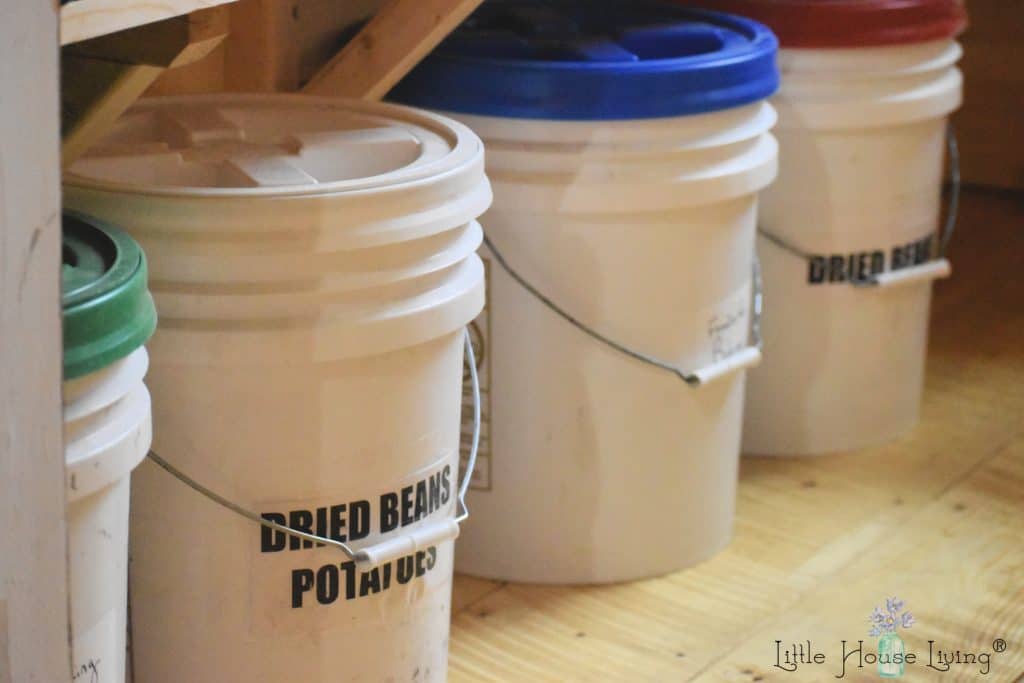
Learning how long pantry foods truly last can ease worry and prevent unnecessary waste.
Sometimes the most helpful kitchen knowledge isn’t about buying more food—but learning to trust that you know how to store what you already have.