
Simple Kitchen Habits That Quietly Drain Your Grocery Budget
This post may contain affiliate links. Read our disclosure policy.

Most grocery budgets don’t blow up because of one big mistake. They slowly leak — week after week — through small kitchen habits that feel normal, convenient, and harmless.
The problem is that these habits add cost without adding better meals. Here are the kitchen habits that quietly drain grocery budgets the fastest — and why so many families don’t notice them right away.
1) Buying “backup” convenience food just in case

Extra boxes, extra packets, extra frozen meals — they feel responsible. But “just in case” food often turns into cluttered shelves and duplicated purchases.
Why it drains your budget: You forget what you already have, then buy it again.
What works better: Keep a short list of pantry-based backup meals instead of buying random convenience items.
See pantry staples that actually work for easy dinners
2) Relying on single-use mixes and packets

Seasoning packets, soup packets, dinner helpers — they don’t look expensive, but they’re priced for convenience, not value.
Why it drains your budget: You’re paying repeatedly for the same basic ingredients in tiny portions.
What works better: Make one jar of a mix and use it all month.
DIY convenience foods that save money
3) Cooking without a plan (even a loose one)

Not meal planning at all often leads to impulse grocery trips, last-minute takeout, or expensive “quick fixes.”
Why it drains your budget: You shop reactively instead of intentionally.
What works better: Choose 4–5 repeat dinners you can rotate without thinking.
4) Letting leftovers decide their own fate

Leftovers get shoved to the back of the fridge with good intentions — and quietly thrown away days later.
Why it drains your budget: Food waste is invisible spending.
What works better: Plan one leftover night on purpose instead of hoping it happens.
5) Buying ingredients for “aspirational cooking”

Specialty ingredients for recipes you might make someday often sit unused until they expire.
Why it drains your budget: You pay premium prices for ingredients that never become meals.
What works better: Stick to flexible ingredients that work across multiple meals.
6) Overbuying fresh food without a use-it-first plan

Fresh produce feels like a healthy choice — until it wilts before it’s used.
Why it drains your budget: You replace spoiled food faster than you realize.
What works better: Balance fresh items with frozen, canned, and pantry options.
7) Paying for convenience you already know how to do
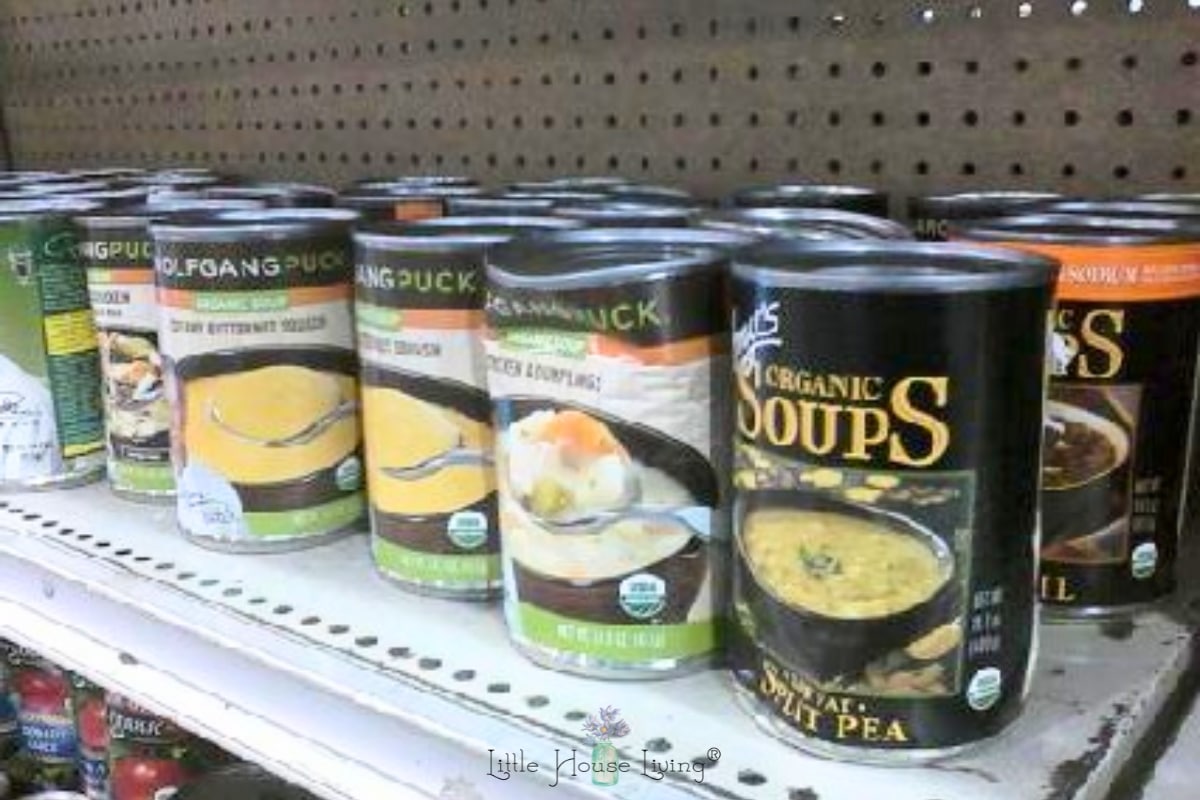
Pre-shredded, pre-seasoned, pre-made versions of foods cost more — especially if you buy them often.
Why it drains your budget: Small markups add up quickly over time.
What works better: Batch prep once, then rely on your own convenience foods.
DIY dry soup mixes you can keep on the shelf
The quiet truth about grocery budgets

Most families don’t need extreme budgeting to lower grocery costs. They need fewer leaks.
When you fix just one or two of these habits, the grocery total starts to come down — without eating worse or cooking harder.
If you want the easiest place to start: replace one weekly convenience purchase with a pantry version you can make once and reuse.