
25 Vintage Money Saving Tips to Beat Inflation
This post may contain affiliate links. Read our disclosure policy.

With the cost of living ever increasing, there’s wisdom to be found in the money-saving methods of days gone by.
Forget the complicated budgeting apps and high-tech hacks –I’ll take you on a trip down memory lane with some vintage money-saving tips that have proven relevant and practical in today’s battle against inflation.
25 Vintage Money Saving Tips to Beat Inflation

1. Grow Your Own Produce
Growing your own fruits and vegetables provides you with a fresh, organic food source and significantly reduces your grocery bills.
It’s a sustainable and cost-effective way to enjoy a variety of fresh, homegrown ingredients for your meals. No matter where you live, you can grow a garden. I even have one in our camper! Get tips on Gardening here.
2. Make Your Own Cleaning Supplies
Making your own cleaning supplies can be both economical and eco-friendly.
Simple household ingredients like vinegar, baking soda, washing soda, and lemon are versatile and effective when it comes to tackling various cleaning tasks. By using these, you can save money and also reduce exposure to potentially harmful chemicals found in some store-bought alternatives.
3. Create Handwritten Budgets
The act of creating a handwritten budget forces you to be intimately involved in your financial planning. When you are forced to write it down, you have to face it…literally.
By physically writing down your income, expenses, and savings goals, you gain a clearer understanding of your financial situation, which can help you identify areas where you can cut costs, set realistic goals, and track your progress more effectively than digital alternatives. Here’s how to keep track of an Irregular Income with a free printable.
4. Buy in Bulk
Purchasing items in bulk can lead to significant cost savings over time.
Many non-perishable goods, such as rice, pasta, and cleaning supplies, are often cheaper when bought in larger quantities. This practice also reduces the frequency of shopping trips and minimizes packaging waste.
Just be mindful of storage space and the shelf life of certain products to ensure you use them before they expire.
5. Repair, Don’t Replace
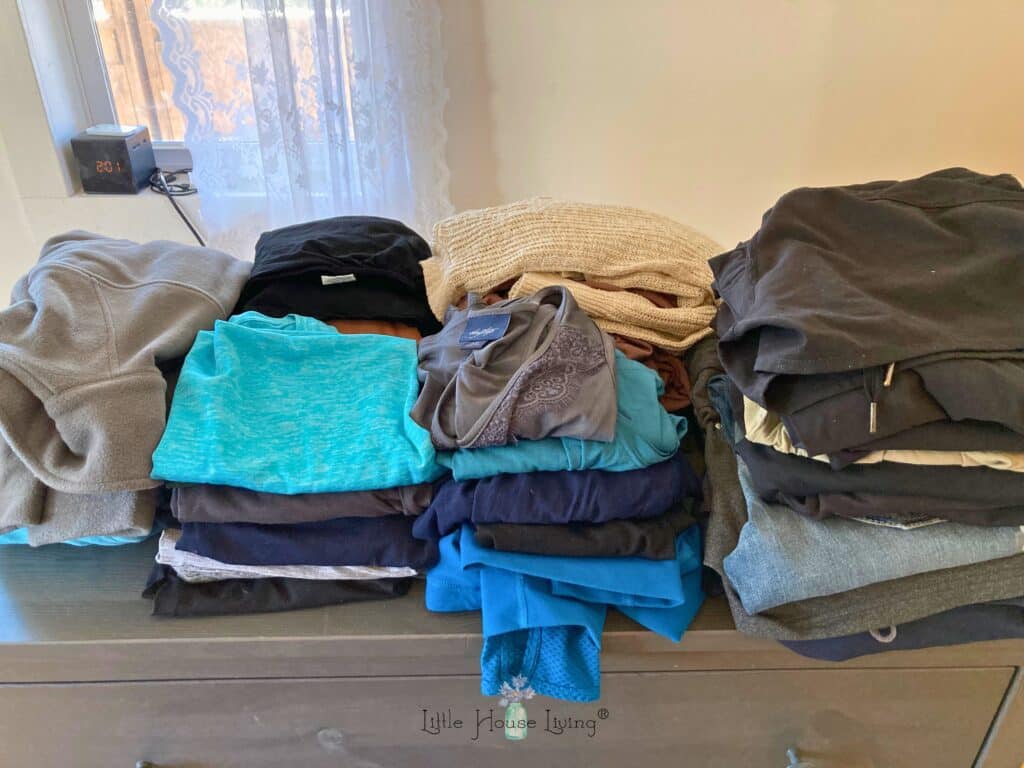
In the throwaway culture we live in, it’s easy to forget that many items can be repaired instead of being replaced.
Whether it’s a ripped piece of clothing, a malfunctioning appliance, or a leaky faucet, attempting repairs before considering replacements can save a considerable amount of money. You can learn most basic skills to repair things on YouTube.
6. Homemade Gifts
The charm of a homemade gift is timeless. In the past, crafting a present was not just a cost-saving measure but a heartfelt expression of thoughtfulness.
Homemade gifts can range from baked goods and handcrafted items to personalized artwork or photo albums. By investing time and creativity, you not only save money on store-bought gifts but also create something truly unique and meaningful.
7. Bartering and Trading
In the days before cash/card transactions dominated, bartering and trading were common practices. It’s a creative and cost-effective way to obtain what you need without spending money.
Engaging in this age-old tradition involves exchanging goods or services with others, eliminating the need for cash transactions. If you have a particular skill or possession that someone else needs, and vice versa, a barter can be a win-win situation.
8. Thrifting and Secondhand Shopping
Thrift shops were not just a trend; they were a way of life. People back then knew the value of second-hand goods.
Explore thrift stores, consignment shops, or online platforms for gently used items like clothing, furniture, and household goods. This not only saves money but also reduces waste and promotes a more sustainable lifestyle. Be sure to shop around, though. Not all thrift stores offer a good deal.
9. Dine In, Pack a Lunch
Opting to cook at home and bringing your lunch to work or school can lead to substantial savings over time.
Dining out regularly can be expensive, and the costs add up quickly. By preparing your meals, you also have better control over ingredients and portion sizes, not to mention the potential health benefits. If you struggle with this, create a meal plan and make it a goal to stick to it.
10. Cook from Scratch
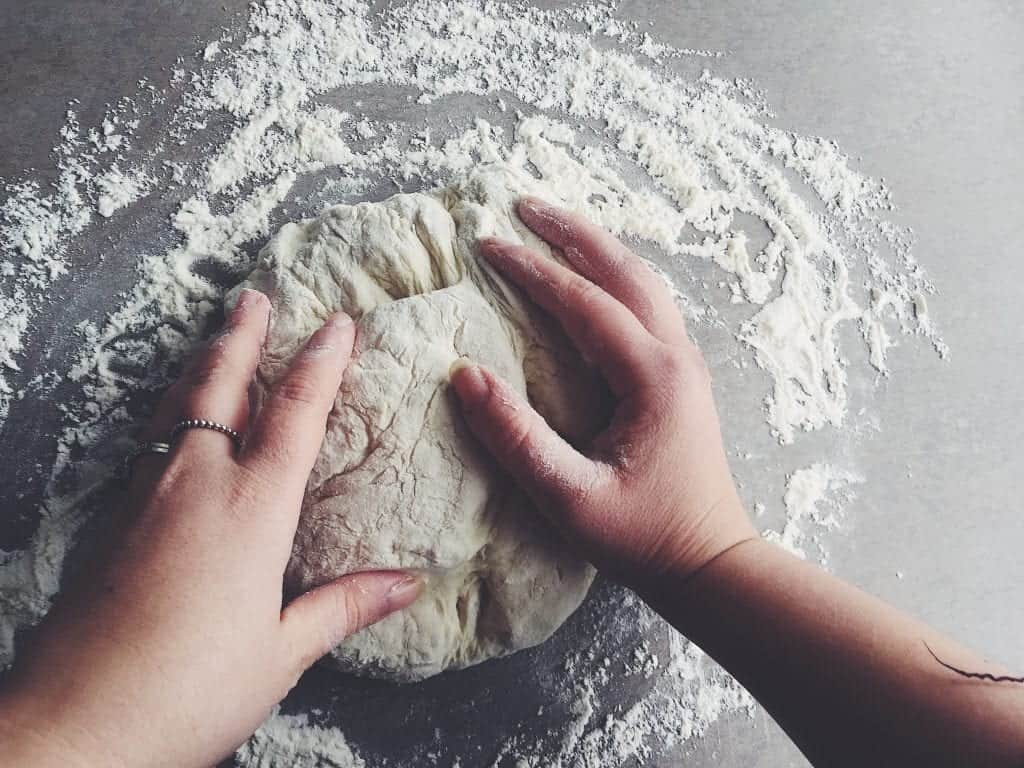
Convenience foods weren’t as widespread in the past, so people had to cook from scratch.
While it might take a bit more time, cooking your meals at home is a fantastic way to save money and ensure you’re eating healthy. Plus, it’s a great skill to have in your culinary arsenal.
11. Batch Cooking and Freezing
Take a cue from vintage meal planning by adopting batch cooking and freezing.
Try to prepare large quantities of meals at once, portion them out, and freeze them for later use. This will save you some time on daily cooking and also reduce the temptation to order takeout when you’re short on time, ultimately saving more money on food expenses.
12. Host Potluck Gatherings
Entertaining guests doesn’t have to break the bank, so instead of taking on the entire cost of hosting, consider organizing potluck gatherings.
Each guest brings a dish to share, spreading the financial responsibility and ensuring a diverse and delicious spread without the burden of shouldering all the expenses yourself. If you really want to be frugal, you can even do this for a wedding!
13. Carpooling
Sharing rides with friends or colleagues through carpooling is a classic money-saving technique. By splitting fuel costs and taking turns driving, participants can significantly reduce their transportation expenses.
I realize this isn’t possible in most rural situations, but it’s always an idea if you need one more! If you can’t carpool, try to combine your trips to town as much as possible.
14. Hand Me Downs
The tradition of hand-me-downs is a budget-friendly gem that has been passed down through generations.
Whether it’s clothing, furniture, or kitchenware, don’t underestimate the value of hand-me-downs.

15. Make Your Own Beauty and Personal Care Products
Basic ingredients like olive oil, honey, and baking soda can replace a myriad of costly beauty products, making your self-care routine both economical and personalized.
Not only does this save money compared to buying commercial products, but it also allows for customization based on individual preferences and skin types. I have an entire book about DIY Body Products here!
16. Turn Off and Unplug
Vintage households were meticulous about conserving energy, and this habit is still relevant today.
The practice of turning off lights and unplugging electronic devices when not in use may seem like a small detail, but it can significantly reduce electricity consumption and utility bills over time.
17. DIY Home Repairs
Before the era of on-call repair services, homeowners took pride in their ability to handle basic repairs around the house.
Today, this vintage approach can still save you a considerable amount of money. From fixing leaky faucets and patching up small holes to more extensive tasks like painting and basic carpentry, taking on simple home repairs yourself can eliminate the need to hire expensive professionals. Again, take to YouTube to look up how-tos for these types of skills.
18. No Impulse Buys
In the past, there were no flashy online ads or one-click purchases, so impulse buying was easier to avoid. The idea was to stick to a shopping list and resist the allure of items not planned for.
Adopting this mindset today involves creating shopping lists, sticking to budgets, and avoiding impulsive online or in-store purchases. It’s a timeless strategy that promotes financial mindfulness and prevents buyer’s remorse.
19. Pay Cash Only
Before the prevalence of credit and debit cards, cash was the primary mode of payment, which naturally limited spending to the amount of cash on hand.
Paying with cash only can help you stick to a budget and avoid unnecessary debt. Plus, there’s something satisfying about parting with physical money – it makes you think twice about your purchases.

20. Reuse and Repurpose
Vintage households were masters at reusing and repurposing items. Old furniture, containers, or clothing items were often given a new lease on life through creative transformations.
By embracing this mindset, you can extend the lifespan of your possessions, reduce waste, and save money.
21. Energy-Efficient Appliances
Consider investing in energy-efficient appliances. While this might require an upfront cost, these appliances often pay for themselves over time through reduced energy bills.
Vintage households valued longevity and efficiency, and selecting appliances with high energy ratings aligns with that principle.
22. Rainwater Harvesting
Collecting rainwater in barrels or tanks for non-potable uses, such as watering plants or cleaning, reduces dependence on municipal water supplies. This eco-friendly practice not only saves money on water bills but also contributes to water conservation efforts.
Today, with a resurgence of interest in sustainability, rainwater harvesting remains a viable vintage money-saving tip. It allows homeowners to reduce their environmental footprint and lower water expenses. I know this isn’t possible everywhere, but it can be huge if you can do it. We’ve harvested rainwater for years and been impressed by how much we can save!
23. Home-Based Hobbies for Entertainment
Entertainment wasn’t always synonymous with expensive outings. Vintage families often found fulfillment in simple yet enriching pastimes that not only saved money but also added value to their lives.
So, instead of spending money on costly entertainment options, try exploring activities like reading, crafting, or gardening.
24. DIY Home Decor
Upgrade your living space without breaking the bank by embracing DIY home decor projects.
Vintage households often adorned their homes with handmade items. Simple crafts like making curtains, throw pillows, or wall art added a personal touch to homes without the hefty price tag.

25. Regular Maintenance Checks
Vintage homeowners understood the importance of preventive maintenance.
Adopting a routine of regular home maintenance checks can save money on repairs and prolong the lifespan of your appliances. From checking for leaks to cleaning air filters, these small tasks can add up to significant savings over time,
These vintage money-saving tips aren’t just relics of the past; they’re powerful tools that can totally work wonders in our lives today.
Whether you’re into saving money, caring for the planet, or just wanting a bit more creativity in your days, these timeless tricks have got your back!
What vintage money saving tips are your favorites?

Merissa Alink
Merissa has been blogging about and living the simple and frugal life on Little House Living since 2009 and has internationally published 2 books on the topic. You can read about Merissa’s journey from penniless to freedom on the About Page. You can send her a message any time from the Contact Page.
This article on Vintage Money Saving Tips was originally posted on Little House Living in July 2024. It’s been updated as of January 2026.
I have always use these money savers. Good article Thanks
I use most of these. Writing a budget by hand, menu planning and using Cash (for gifts, purchases, groceries) are some of my favorites.
Hi Merissa, greetings from Holland! I love your blog and topics you choose to write about. Your blog is read all over the world.
God bless you and your family.
Esther
(P.S. Would you mind deleting the advertisement on your blog about tai chi?)