
Expense-Cutting Kitchen Habits We Learned From Our Grandparents
This post may contain affiliate links. Read our disclosure policy.

These habits aren’t trendy. They aren’t flashy. But as grocery prices keep rising, families are quietly turning back to old-school kitchen routines — and saving hundreds of dollars a year in the process.
From baking bread to planning meals around what’s already in your pantry, these simple practices prove that sometimes the best ideas are the ones your grandparents already knew. Here’s how these time-tested habits can stretch your budget — without sacrificing flavor or comfort.
1. Cooking From Scratch Every Day
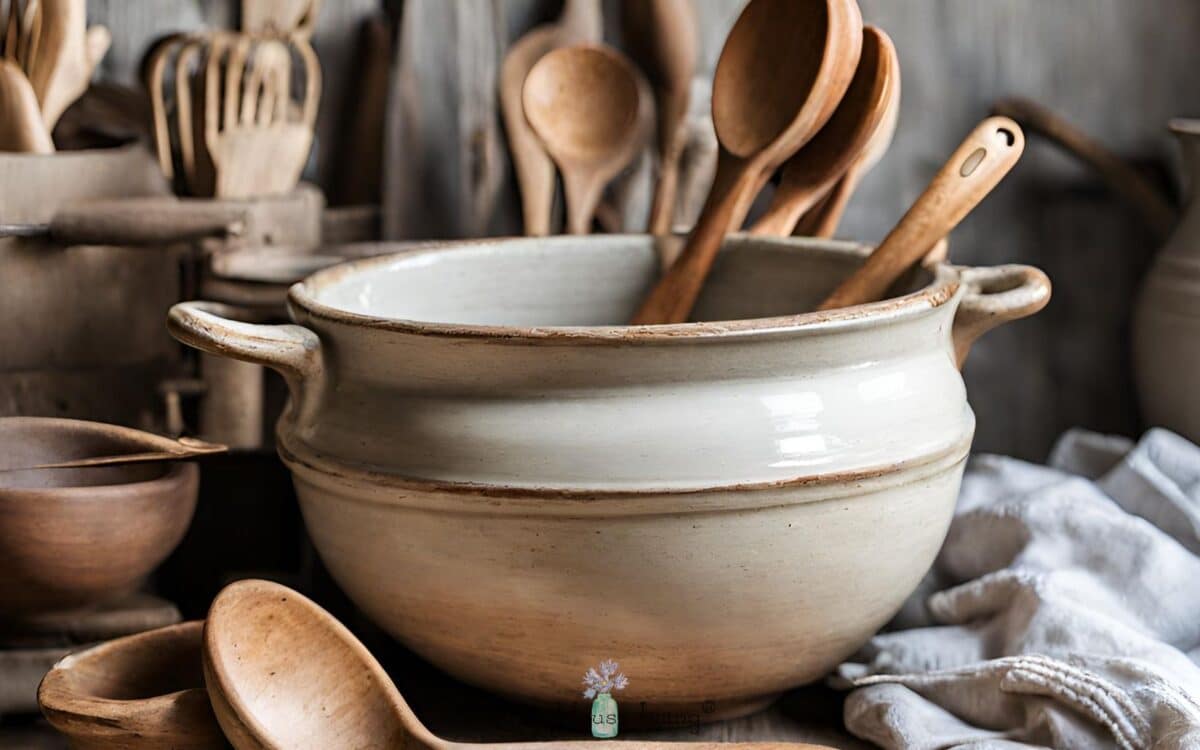
Making meals from basic ingredients instead of boxed convenience foods costs far less in the long run — and you control what goes into your food.
Read: Is Cooking From Scratch Worth It?
2. Baking Your Own Bread

Store-bought bread can be expensive, and often contains additives. Baking at home can cost a fraction — and tastes fresher too.
3. Making Broth From Scraps

Throwing bones and veggie ends into a pot makes rich broth that’s cheaper than store-bought versions and much healthier.
4. Using Leftovers Intentionally

Planning next meals around what’s already on hand cuts waste and reduces grocery trips.
5. Planning Meals Around Pantry Staples
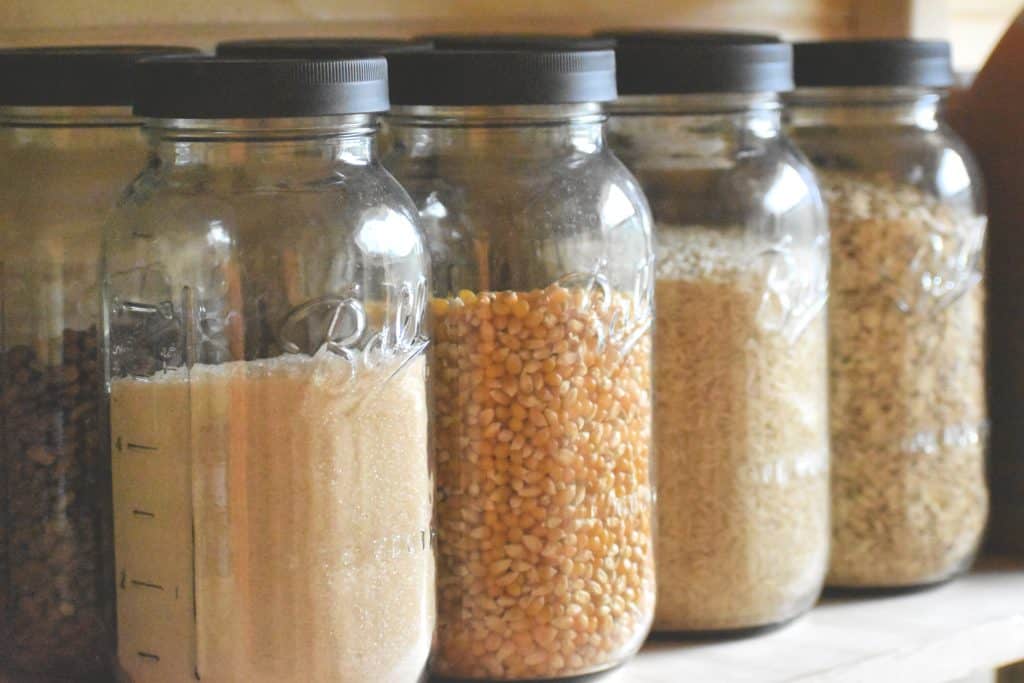
When you start with what you already have, you save money and reduce stress on shopping days.
Read: Tips and Tricks for a Pantry Challenge
6. Freezing Leftovers for Later

Instead of letting extra portions go bad, freezing them stretches your food further and simplifies future meals.
7. Homemade Seasoning Blends
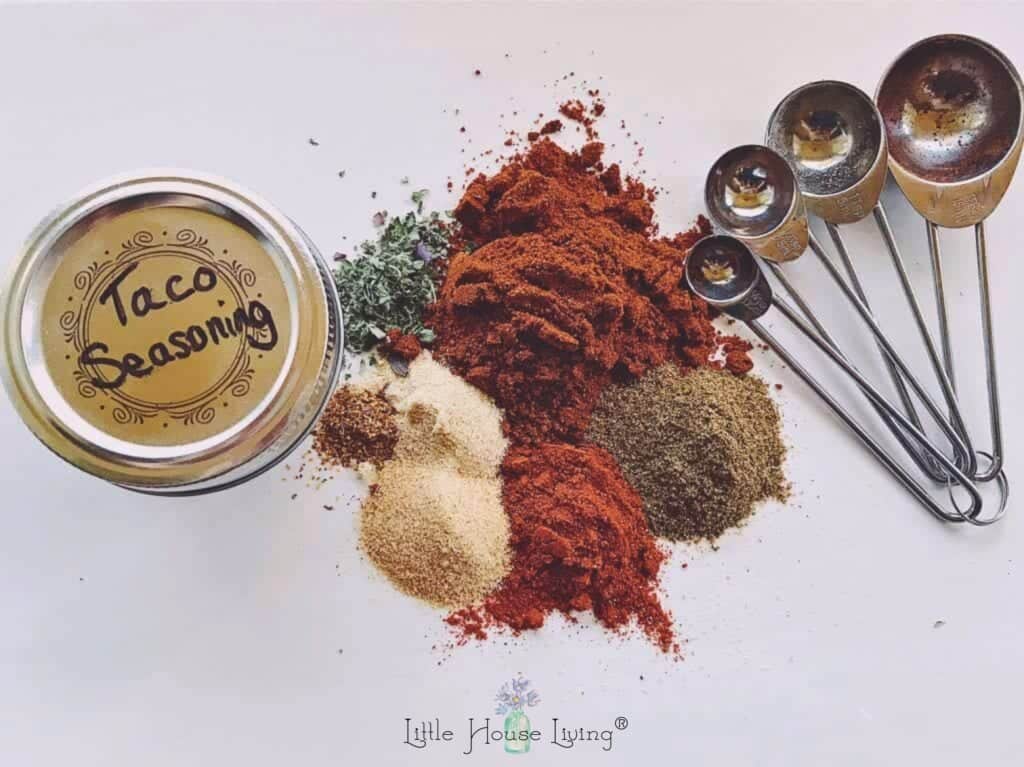
Instead of buying expensive spice mixes, homemade blends give you flavor control and huge savings.
Read Homemade Seasoning Blends
8. Canning & Preserving in Season

Preserving summer’s bounty when produce is cheapest gives you ready-to-use ingredients all year long.
9. Drying Herbs and Produce

Drying herbs and fruits extends their shelf life and lets you avoid expensive specialty products.
Read: How to Make an Herb Drying Rack
10. Using One-Pot Cooking
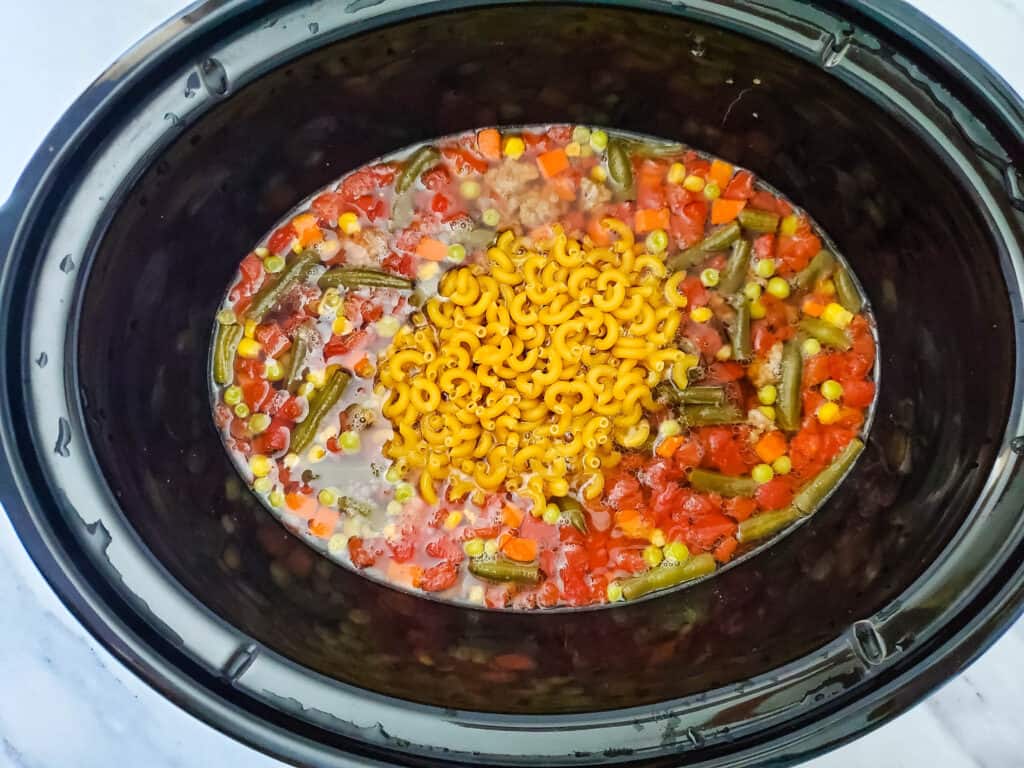
One-pot meals cut down cooking time, cleanup, and often require fewer ingredients — all of which save money.
11. Making Homemade Convenience Mixes

From pancake mix to soup bases, homemade mixes save cash and improve flavor.
Read: DIY Convenience Foods That Save Money
12. Growing a Small Kitchen Herb Garden
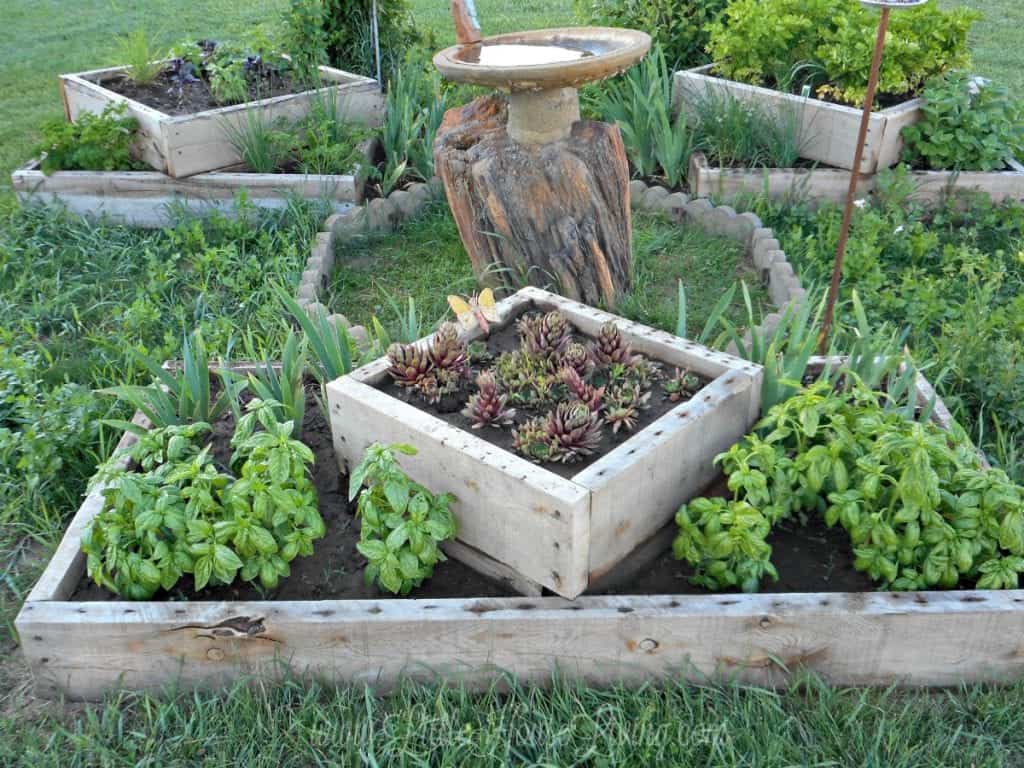
Fresh herbs are expensive at the store — growing them saves money and adds fresh flavor anytime.
Read: How to Grow an Herb Garden
13. Eating Seasonally

Seasonal produce costs less and tastes better, making your meals both cheaper and more satisfying.
14. Making Your Own Snacks

Pre-packaged snacks can be overpriced and full of additives. Homemade snacks are cheaper and healthier.
Read: Healthy Homemade Snack Ideas Under $1
15. Shopping With a List — and a Purpose
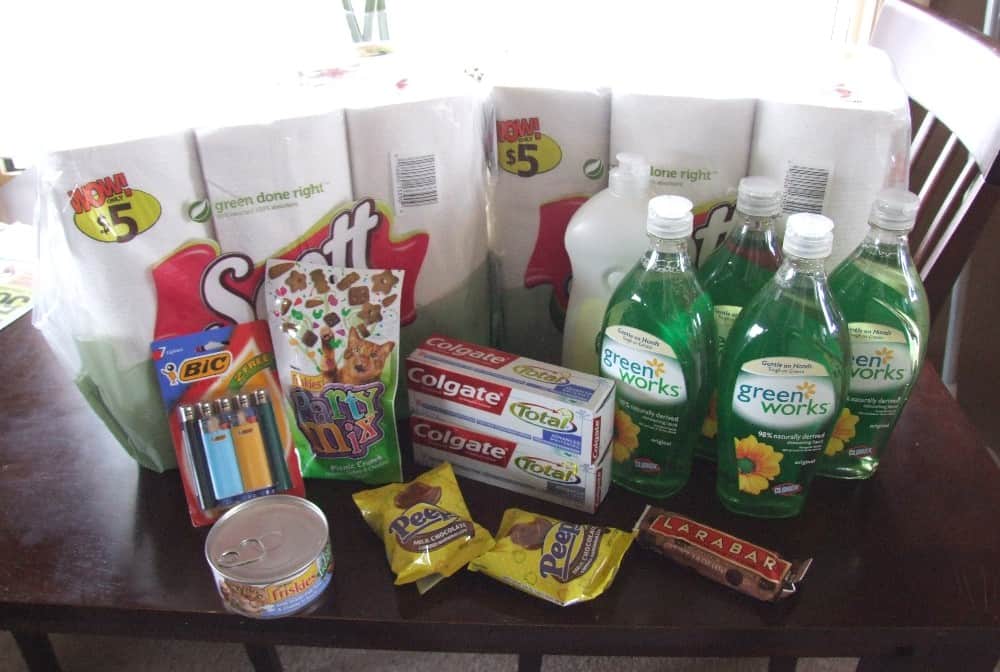
Impulse buys add up fast. A list keeps you focused on what you truly need — saving money instantly.
16. Buying in Bulk & Dividing for Use

Purchasing staples in bulk and portioning them at home saves on cost per unit without waste.
Learn: Everything You Need to Know About Buying in Bulk
17. Repairing Instead of Replacing Kitchen Tools
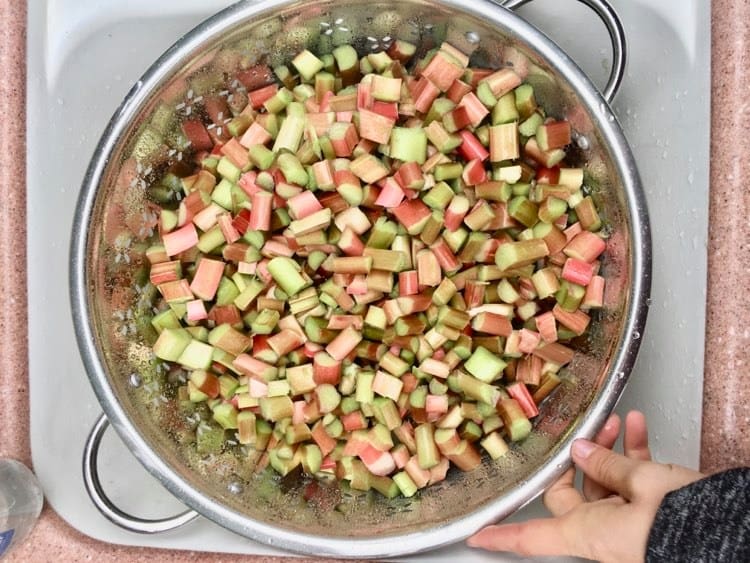
Old pans and tools can often be refurbished for cheaper than buying new — another way old-school thinking saves cash.
18. Avoiding Convenience Foods

Pre-packaged dinners and shortcuts are tempting, but they add up fast in cost and calories.
Read: 153+ Grocery Store Staples You Can Make
19. Cooking More Meatless Meals

Meat can be one of your highest grocery costs. Simple meatless options are cheaper and still satisfying.
20. Involving Kids in the Kitchen

Kids who help cook are more likely to eat what’s made, reducing food waste and increasing meal satisfaction.