
7 Wartime Meals that Stretched Rations (That Still Work Today!)
This post may contain affiliate links. Read our disclosure policy.

Have you ever wondered how wartime affected families? From daily living to family meals, life was certainly a little different.
I’m sharing some of the recipes that families used to stretch rations during times of war, but that can still be used today!
1. Mock Apple Pie
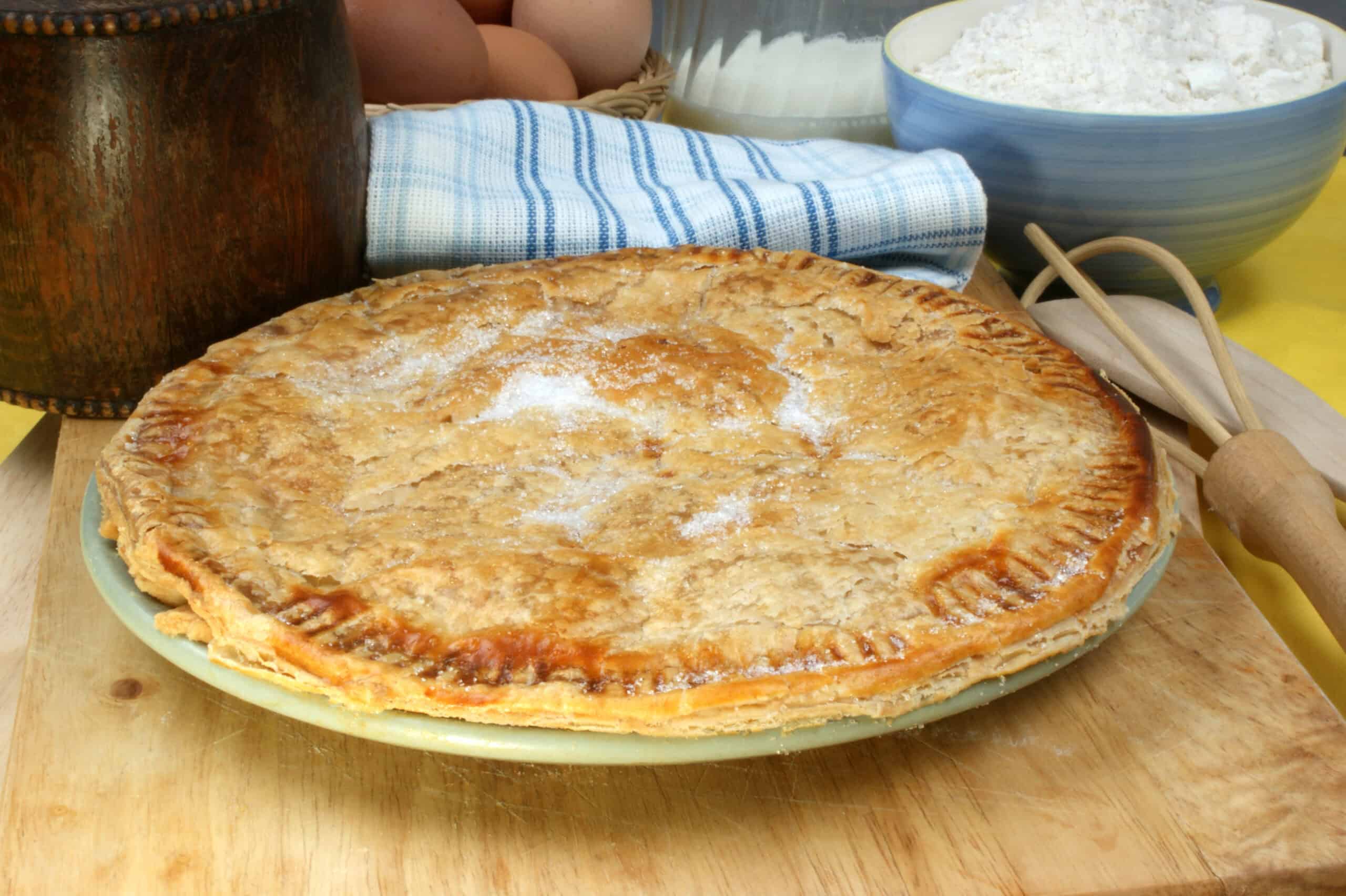
With apples in short supply, resourceful cooks turned to crackers as a surprising substitute. The result? While this pie doesn’t have the traditional apple flavor, it does a good job of getting the texture right!
Ingredients in Mock Apple Pie
- 2 cups Ritz-style crackers, crushed
- 1 ½ cups sugar
- 1 1/2 cups water
- 1 1/2 teaspoons cream of tartar
- juice and zest of 1 whole lemon
- 1 teaspoon vanilla extract
- 1 teaspoon cinnamon
- 2 tablespoons of butter in pieces
- Pastry for a 9-inch pie crust
Instructions for Making Mock Apple Pie
- Preheat your oven to 425°F (220°C).
- In a saucepan, combine sugar, cream of tartar, and water and bring to a boil.
- Simmer for 10 minutes, allowing the mixture to thicken.
- Remove from the heat and add in the lemon and the vanilla.
- Roll out the pie crust and place it in a pie dish.
- Pour the crushed cracker mixture into the crust. Place the pieces of butter over it.
- Pour the sugar mixture over the top of the crackers.
- Add a top crust or lattice, sealing the edges.
- Bake for 30-35 minutes or until the crust is golden brown.
2. Bean and Rice Casserole
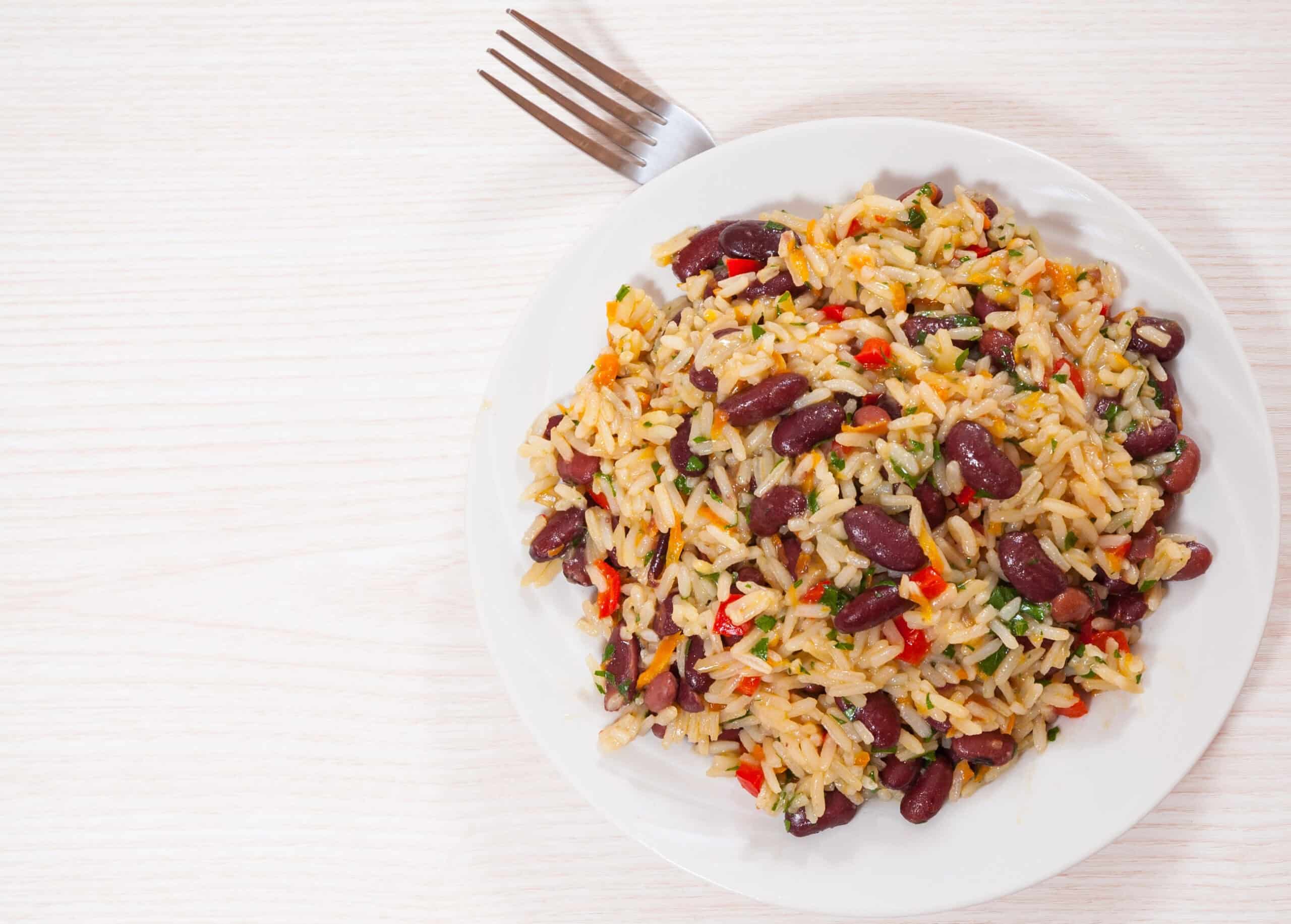
This hearty casserole combined available proteins and carbs with canned or fresh vegetables to make a one-dish meal that made the most of limited resources. This is a really versatile dish that you can easily still make and enjoy today when you need a meal on a budget!
Ingredients in Bean and Rice Casserole
- 2 cups cooked rice
- 1 can (15 oz) beans (kidney, pinto, or black beans work well)
- 1 can (15 oz) mixed vegetables, drained
- 1 cup tomato sauce
- 1 teaspoon mixed herbs (oregano, thyme, basil)
- Salt and pepper to taste
- Grated cheese for topping (optional)
Instructions for Making Bean and Rice Casserole
- Preheat your oven to 375°F (190°C).
- In a mixing bowl, combine cooked rice, beans, mixed vegetables, tomato sauce, and herbs.
- Season with salt and pepper to taste.
- Transfer the mixture to a baking dish.
- Top with grated cheese if desired.
- Bake for 20-25 minutes or until the casserole is hot and bubbly.
3. Carrot Fudge
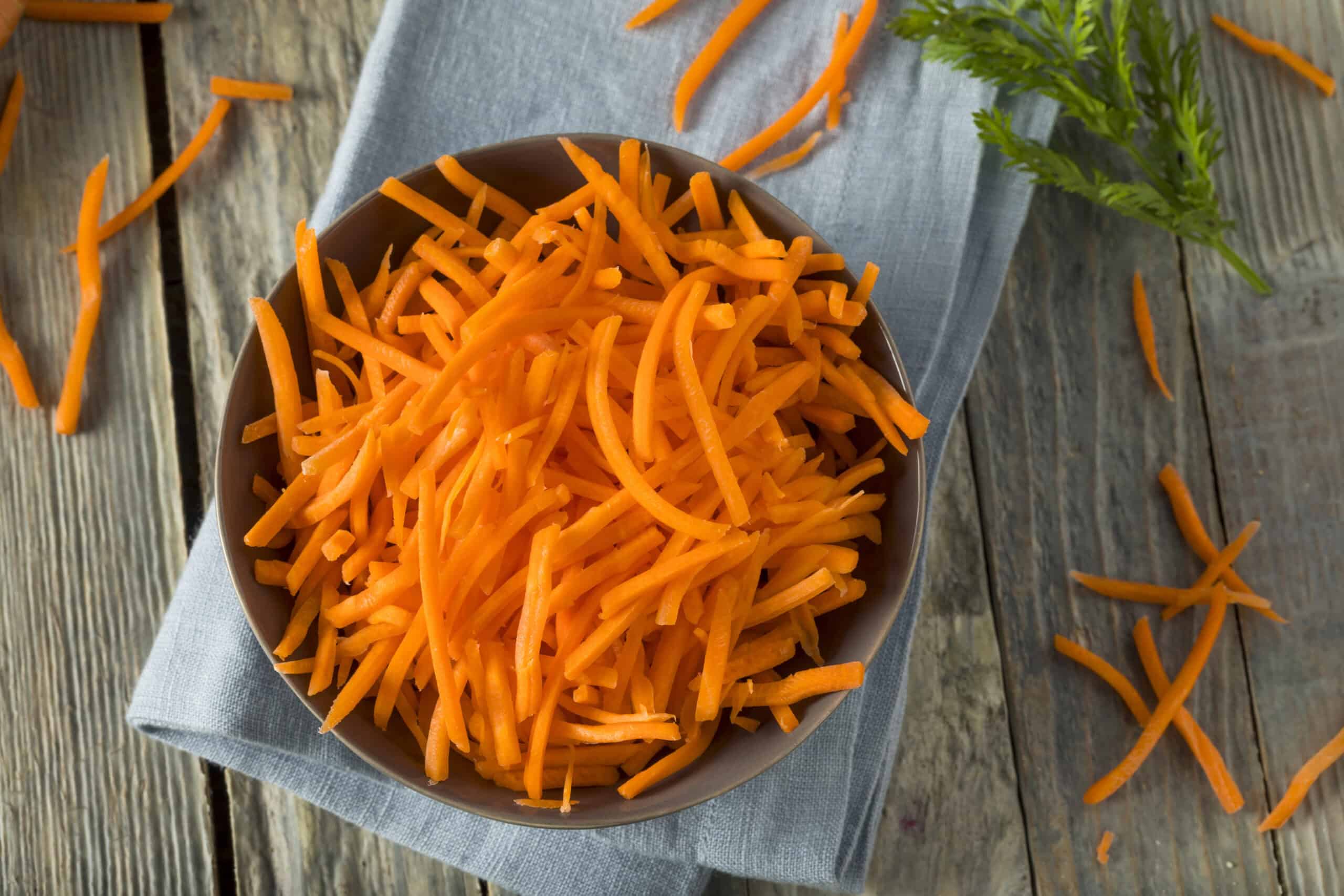
Chocolate shortages made it next to impossible to make traditional fudge, so home cooks came up with carrot fudge. I will say that it’s not really a “fudge”, more of a “jello”, but it’s certainly an interesting treat to try!
Ingredients in Carrot Fudge
- 1/2 cup grated carrots
- water
- 1 tablespoon gelatin
- orange extract
Instructions for Making Carrot Fudge
- Put the carrots in a pan and cook them gently in just enough water to keep them covered, for ten minutes.
- Add a little orange extract if desired.
- Mix the gelatin with a little bit of water and add it to the carrots.
- Cook the mixture again for a few minutes, stirring constantly.
- Scoop it into a flat dish and let it set up in the fridge for several hours.
- Once it’s firm, you can try it!
4. Victory Garden Soup
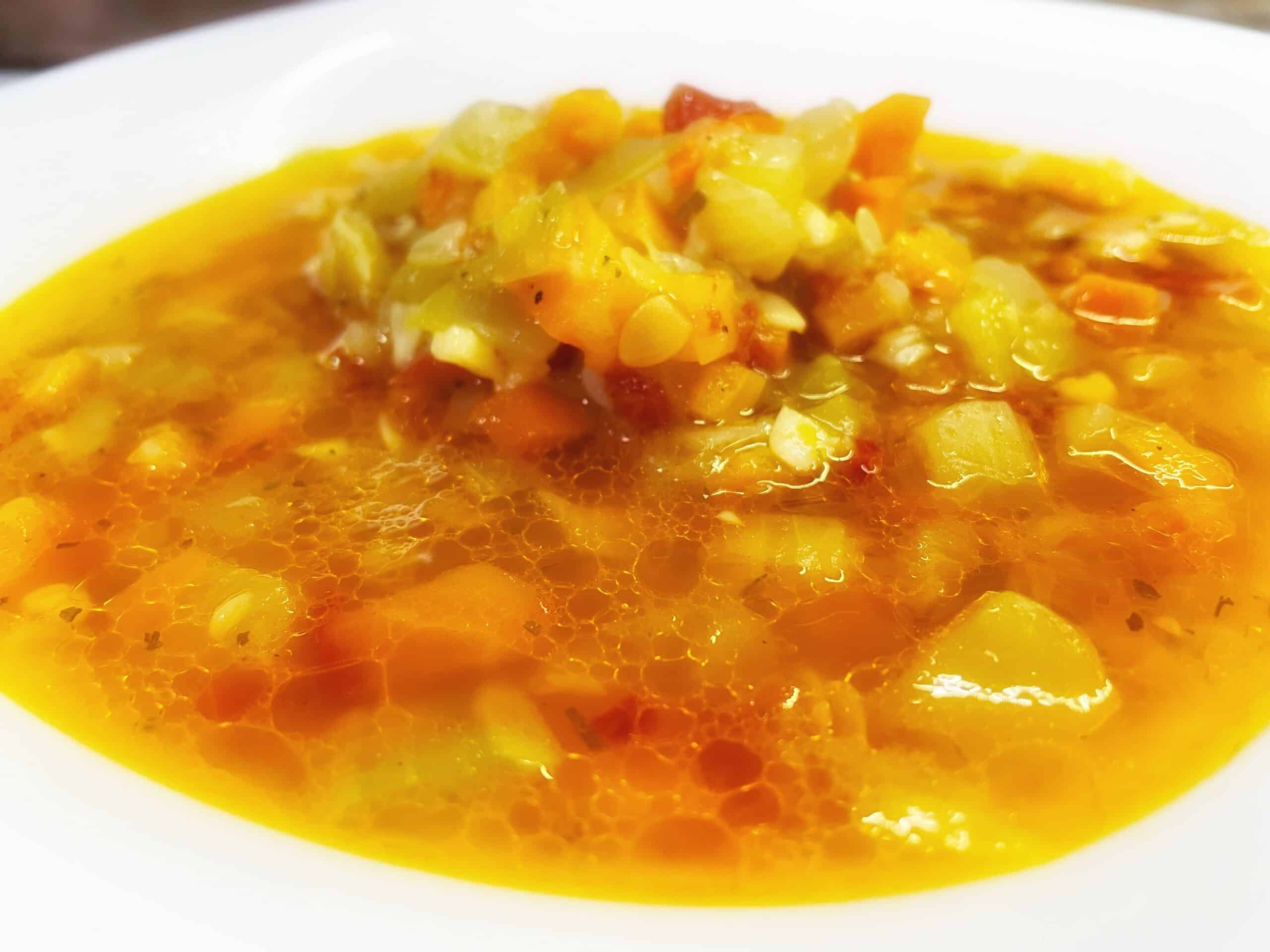
Victory Gardens were a wartime initiative to promote homegrown produce. People used the produce from their gardens to create this hearty soup for the whole family.
Ingredients in Victory Garden Soup
- 4 cups assorted vegetables (carrots, potatoes, peas, beans, zucchini), chopped
- 1 onion, diced
- 2 cloves garlic, minced
- 6 cups vegetable or chicken broth
- 1 can (15 oz) diced tomatoes
- 1 teaspoon dried herbs (thyme, rosemary, parsley)
- Salt and pepper to taste
Instructions for Making Victory Garden Soup
- In a large pot, sauté onions and garlic until softened.
- Add assorted vegetables, broth, diced tomatoes, and herbs.
- Bring to a boil, then reduce heat and simmer for 20-25 minutes until the vegetables are tender.
- Season with salt and pepper to taste.
- Serve hot and savor the flavors of this nourishing Victory Garden Soup.
5. Potato Pancakes

When wheat was rationed, potato pancakes became a breakfast staple, providing a tasty alternative to traditional flour-based options.
Ingredients in Potato Pancakes
- 2 cups mashed potatoes
- 1 cup all-purpose flour
- 1 cup water
- 1/2 teaspoon salt
- Cooking oil for frying
Instructions for Making Potato Pancakes
- In a mixing bowl, combine mashed potatoes, flour, water, and salt. Mix until you have a smooth batter.
- Heat oil in a skillet over medium heat.
- Drop spoonfuls of the potato batter into the hot skillet, shaping them into pancakes.
- Cook until golden brown on both sides.
- Serve Potato Pancakes hot, perhaps with a dollop of ketchup or sour cream.
6. Meatless Loaf
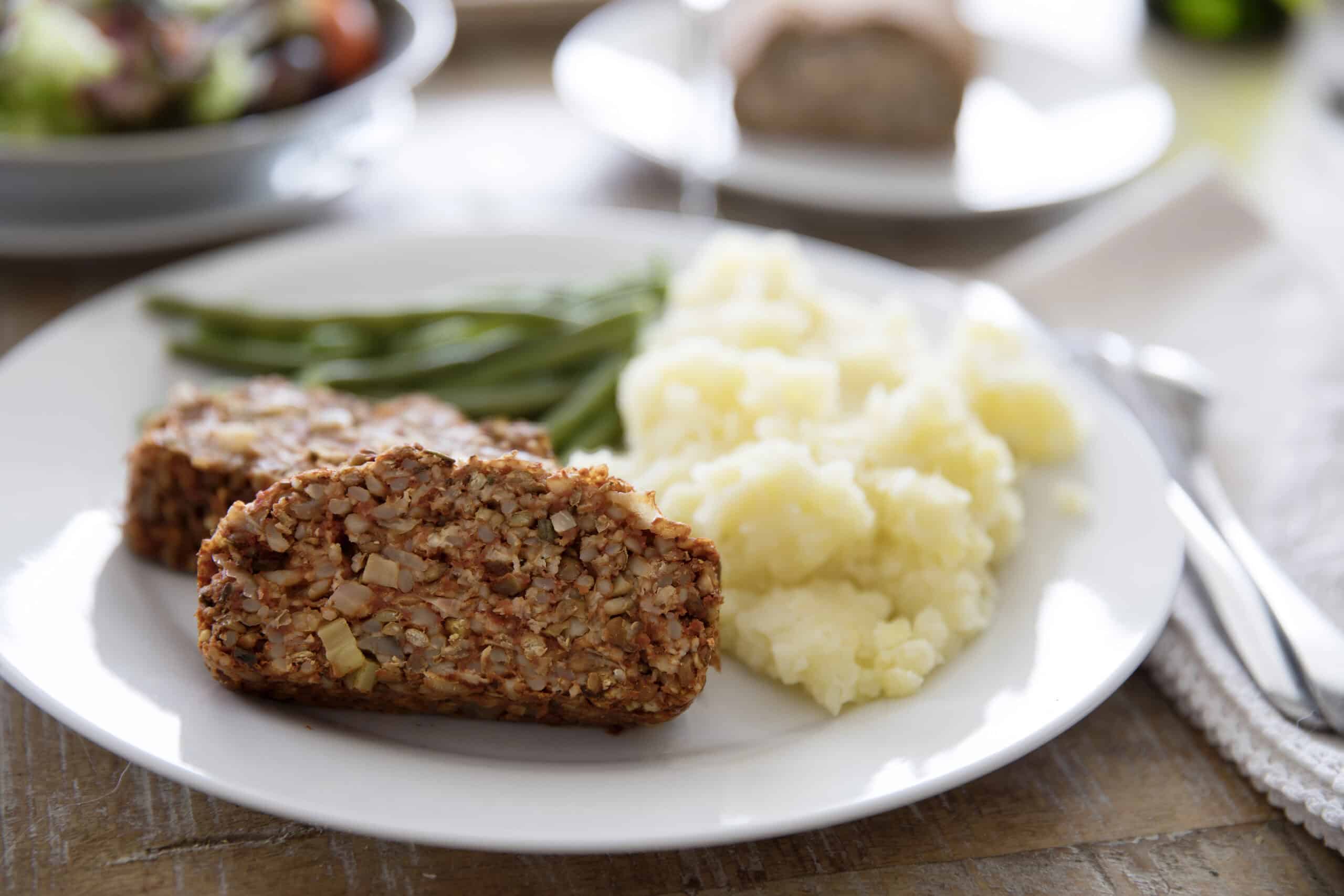
As meat became a luxury, alternative proteins helped out. Meatless loaves made use of beans and legumes to create a satisfying alternative that is healthy and filling.
Ingredients in Meatless Loaf
- 1 cup cooked lentils or beans
- 1 cup breadcrumbs
- 1 onion, finely chopped
- 1 cup tomato sauce
- 1 teaspoon mixed herbs (oregano, thyme, rosemary)
- Salt and pepper to taste
- Egg for binder (optional)
Instructions for Making Meatless Loaf
- Preheat your oven to 375°F (190°C).
- In a bowl, mash the cooked lentils or beans.
- Add breadcrumbs, chopped onion, tomato sauce, mixed herbs, salt, and pepper. Mix until well combined.
- Transfer the mixture to a greased loaf pan.
- Bake for 30-35 minutes or until the loaf is firm and golden brown.
- Let it cool slightly before slicing and serving.
7. Powdered Milk Pudding

When fresh milk was scarce, powdered milk became an easy alternative. This simple pudding recipe became a wartime favorite. This is also basically how you can make pudding mix that is shelf stable!
Ingredients for Making Powdered Milk Pudding
- 2 cups powdered milk
- 1 cup sugar
- 1/2 cup cornstarch
- 2 cups water
- 1 teaspoon vanilla extract
- pinch of salt
Instructions for Making Powdered Milk Pudding
- In a bowl, whisk together powdered milk, sugar, and cornstarch.
- Gradually add water, whisking continuously to avoid lumps.
- Transfer the mixture to a saucepan and cook over medium heat, stirring constantly until it thickens.
- Remove from heat, stir in vanilla extract, and let it cool.
- Refrigerate until set, then serve chilled.
Other Tips to Stretch Your Rations
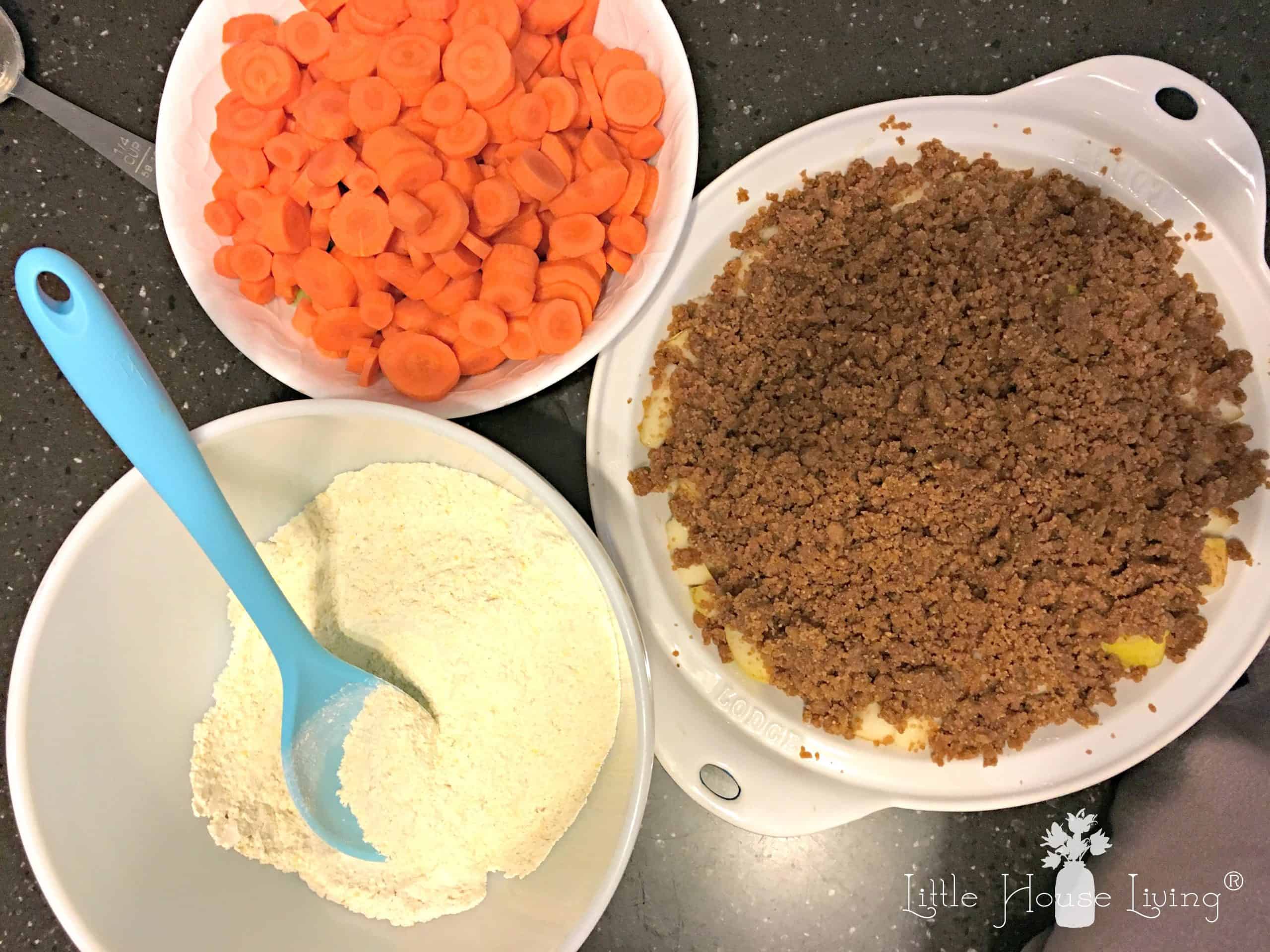
Stretching rations required a lot of ingenuity and resourcefulness. We can still learn from that today! Here are some additional tips to help you make the most out of limited supplies:
- Embrace Plant-Based Proteins: Incorporate more legumes, beans, and lentils into your meals. They are rich in protein and can be used as a substitute for meat in various dishes.
- Grow Your Own: If possible, consider starting a small garden to grow herbs, vegetables, and even some fruits.
- Preserve and Pickle: Preserve seasonal fruits and vegetables through canning or pickling. This helps extend their shelf life, providing you with flavorful additions to meals even when certain items are out of season.
- Use Every Bit: Get creative with kitchen scraps. Vegetable peels, stems, and leftover bits can be used to make broths or stocks, adding depth of flavor to your dishes.
- Make Soups and Stews: Soups and stews are excellent ways to stretch ingredients. They allow you to use less meat while incorporating a variety of vegetables, grains, and legumes.
- Creative Substitutions: Experiment with ingredient substitutions. For example, applesauce can replace eggs in baking, and yogurt can substitute for sour cream or buttermilk.
- Meal Planning: Plan your meals ahead of time to ensure you’re using ingredients efficiently. This helps avoid impulse purchases and minimizes food waste.
These wartime meals not only stretch rations but also show the resourcefulness of wartime cooks. They’re a testament that necessity truly is the mother of invention. We all may face challenges at some point when it comes to running our households, so I feel like we can really learn something from these recipes!
Today, as we enjoy the abundance of choices in our kitchens, there’s something inspiring about revisiting these clever recipes. So, the next time you step into the kitchen, consider giving them a try and experience the flavors of history in your own kitchen! These would also be fun for a homeschool history project!

Merissa Alink
Merissa has been blogging about and living the simple and frugal life on Little House Living since 2009 and has internationally published 2 books on the topic. You can read about Merissa’s journey from penniless to freedom on the About Page. You can send her a message any time from the Contact Page.
These recipes were found in a variety of old cookbooks and from historical sources.
I’m a former domestic historian (early-Victorian speciality, but I collect historic cookbooks and household manuals of all eras) and I LOOOOOOOVED this post. My grandma was born in 1919, and she was still cooking this way when she taught me some of her recipes.
Thanks for keeping the “make do” spirit alive. And happy new year to you and your family, from Oregon!
So neat! I absolutely love pre 1940s cookbooks and have a small collection I’ve acquired from antique stores over the years.
Love this item. Usually I don’t peel my veg so that I keep a lot of the vitamins, also I use the cooking water from the veg to go into the gravy. There are so many recipes that we can use from this time period.
I enjoyed this post. As I have been reading the Little House book series and after reading The Long Winter and how creative the people were to survive that hard winter!! Potato pancakes and bean dishes were some of the things they ate. So reading about the potato pan cake, the mock apple pie, and the meatless loaf made me about that time as well the depression area. I like to read old cookbooks and learn about those eras cooking.